Your water heater has a soundtrack — and learning to read it is like learning to read your car's. Most water heater noises have specific, diagnosable causes: the sediment rumbling that's endemic in Goose Creek's hard water, the delayed-ignition boom that means a gas burner needs cleaning, the innocent ticking of thermal expansion, the water hammer that points to high system pressure. Some sounds are harmless background; some are early warnings worth a maintenance visit; a few mean you should act now. This guide translates every common water heater noise into its cause, how serious it is, and what fixes it — plus which combinations of sound and symptom mean you should call (833) 713-2101 right away, and the simple phone recording that helps your technician diagnose faster.
Rumbling, Popping, or Banging (Kettling)
The sound: Low rumbling, popping, or crackling like a kettle boiling — often loudest during and just after the heating cycle.
The cause: Sediment buildup on the tank floor. Water trapped under the sediment layer flashes to steam and bursts through. This is the #1 water heater noise in Goose Creek, thanks to mineral-heavy Lowcountry water.
How serious: Moderate to serious. Beyond the noise, sediment insulates the tank bottom, forcing longer heating cycles; on gas units it creates hot spots that stress the steel and can eventually crack the tank.
The fix: Flush the tank. If flushing produces heavy sediment and the noise persists, the sediment may have hardened — a professional descaling or, on old tanks, replacement planning. Annual flushing prevents it from recurring.
Hissing or Sizzling
The sound: A steady hiss or sizzle, like water hitting a hot pan.
The cause: Usually water dripping onto a hot surface — a leak from a fitting above landing on the burner or a hot element, or heavy condensation dripping onto hot components.
How serious: Worth investigating promptly. If it's a leak dripping onto the burner, that's active water loss plus potential burner damage.
The fix: Identify the drip source — check fittings above the sound, the TPR valve, and inlet connections. Our leak detection service traces these quickly.
High-Pitched Whining or Screeching
The sound: A whine or whistle, often when hot water is running.
The cause: Restricted water flow — usually a partially closed valve, a clogged inlet screen, or heavy scale narrowing passages. On tankless units, scale in the heat exchanger is the classic cause.
How serious: Mild to moderate. It's a flow problem, not an imminent failure — but the underlying restriction (often scale) deserves attention.
The fix: Check that all valves are fully open; descale tankless units; on tanks, heavy scale may warrant a flush and inspection.
Ticking or Tapping
The sound: Rhythmic ticking, especially as the tank heats or cools.
The cause: Thermal expansion and contraction — the metal tank, heat trap nipples, or nearby pipes expanding against straps and framing. Also common: loose pipe straps allowing movement.
How serious: Usually harmless. It's the plumbing equivalent of a house settling.
The fix: If it's loud or new, check for loose pipe straps and tighten them; ensure heat trap nipples are in good shape. An expansion tank in good order reduces the pressure cycling that drives ticking.
Booming or Banging on Startup (Gas)
The sound: A startling boom when the burner ignites.
The cause: Delayed ignition — gas builds up before lighting, usually because the burner ports are dirty or partially blocked with soot, dust, or lint. Lowcountry garage installations collect plenty of all three.
How serious: Moderate. Repeated delayed ignition stresses the combustion chamber and indicates the burner needs cleaning.
The fix: Burner cleaning and inspection — a standard part of professional water heater maintenance. Don't ignore it; soot-blocked burners also burn inefficiently.
Gurgling
The sound: Gurgling or bubbling, sometimes in nearby drains when hot water runs.
The cause: Often the TPR discharge pipe or a condensate line with improper routing — water moving where air is trapped. Can also indicate sediment shifting in the tank.
How serious: Mild, but verify the TPR discharge piping is correctly routed (downward, full-bore, terminating properly).
The fix: Inspect discharge and condensate routing; flush if sediment is suspected.
Hammering When Taps Close (Water Hammer)
The sound: A sharp bang or series of bangs when a faucet or appliance valve shuts off quickly.
The cause: Water hammer — the pressure shockwave of suddenly stopped water. Not caused by the heater, but often noticed near it. High system pressure makes it worse.
How serious: Moderate — repeated hammering stresses pipes, joints, and the tank's connections over time.
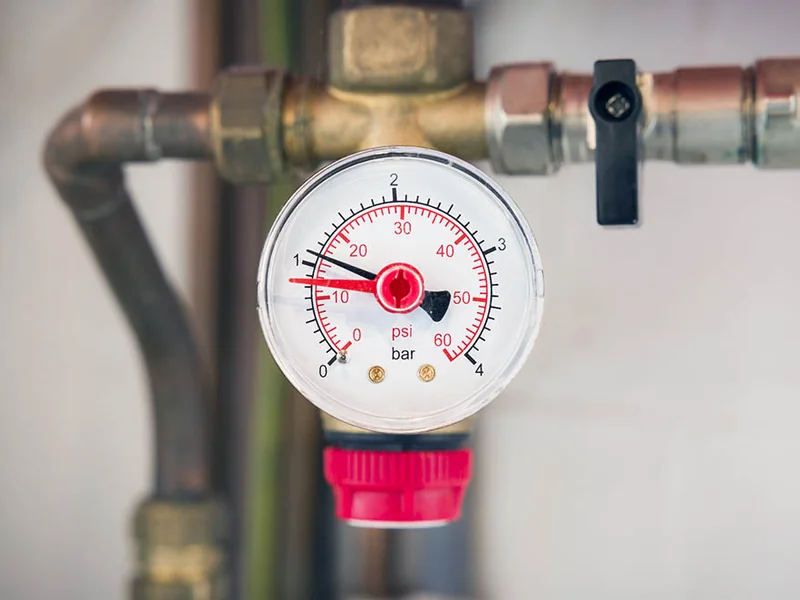
The fix: Check system pressure (above 80 psi needs a pressure-reducing valve); install water hammer arrestors at fast-closing valves; confirm the expansion tank is working.
When Noise Means "Call Now"
- Booming combined with the smell of gas — possible combustion problem. Shut down and call.
- New loud banging with visible tank movement or bulging — shut down and call (833) 713-2101.
- Hissing with visible water — active leak; see our shutoff guide.
- Any sudden dramatic change in the heater's normal soundtrack — new noises deserve at least a phone consultation.
Record It Before You Call
Here's a genuinely useful tip: when your heater starts making a new noise, record 30 seconds of it on your phone before calling. Technicians diagnose sounds far faster when they can hear them — 'a kind of rumbling' could be five different things, but the actual audio narrows it instantly. Note when it happens in the cycle (during heating, right after the burner cuts off, only when hot water runs, randomly at night), how long it's been going on, and whether it's getting louder. That context plus the recording often lets us arrive with the right parts and a preliminary diagnosis, turning a two-visit job into one. And if the noise is accompanied by anything visual — new rust streaks, moisture, a pilot that looks different — photograph that too. Good information from the homeowner is the fastest path to an accurate fix, and it costs you nothing but a minute with your phone.
Why Goose Creek Heaters Get Noisy
Nine times out of ten, a noisy Goose Creek water heater is complaining about sediment. Dissolved minerals in Berkeley County water settle into a layer on the tank bottom; the burner or lower element then superheats water trapped beneath that layer, and the resulting steam bubbles collapse with the popping, rumbling, and crackling owners describe as "my heater sounds like it is boiling rocks." The noise usually worsens in summer, when heavier hot-water use stirs the sediment bed more often.
A thorough flush often quiets a noisy tank dramatically — sometimes on the first try if the sediment has not yet hardened into scale. But noise plus age tells a different story: rumbling on a tank past year ten with visible rust means the sediment is a symptom of a heater nearing retirement, not a maintenance item. High-pitched whistling, meanwhile, usually traces to a partially closed valve or heat-trap nipple rather than sediment. Note when the noise happens and whether anything visual accompanies it, then call (833) 713-2101 — good information from the homeowner is the fastest path to an accurate diagnosis.