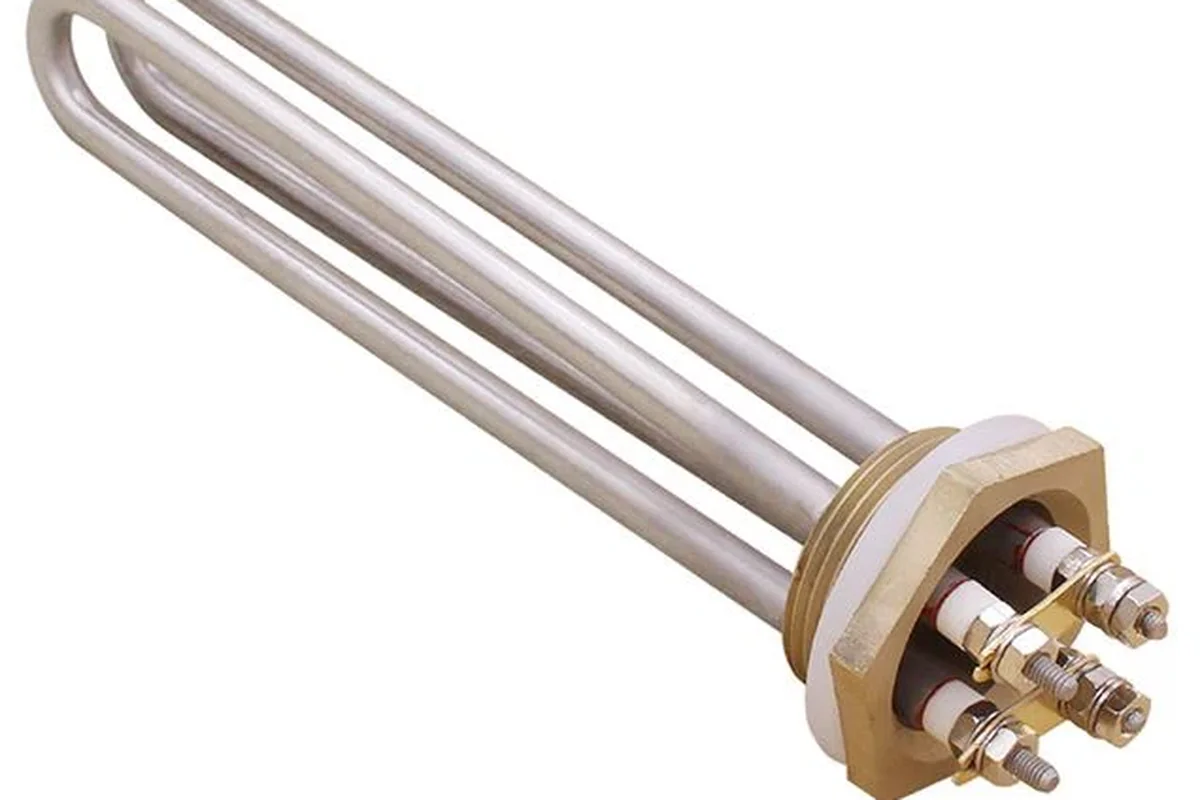
Electric water heaters have no burner and no pilot light — they heat water with two electric elements, one upper and one lower, working in sequence. When an element burns out, the symptoms are frustratingly partial: lukewarm water, hot water that runs out in minutes, or a heater that seems to work but never quite gets there. It feels like the whole heater is dying, but often it is a single replaceable part and an hour of skilled work.
In Goose Creek, heating elements face a specific enemy: sediment. Mineral content in the local water settles to the tank bottom and buries the lower element, which then overheats trying to heat through an insulating blanket of calcium. That is the number one killer of lower elements in this area, and it is why element replacement here so often goes hand in hand with a thorough tank flush.
When you call (833) 713-2101, we test both elements and both thermostats before replacing anything — because a dead lower element and a failed upper thermostat cause nearly identical symptoms, and we do not want you paying for the wrong part. We replace failed elements with the correct wattage and voltage for your heater, flush the sediment that killed the old one, and verify full recovery before we leave. Serving electric water heater owners across Goose Creek, from apartments near St. James Avenue to family homes throughout Berkeley County.
Signs Your Heating Element Has Failed
The classic failed-element symptom is hot water that runs out far too fast. A healthy 50-gallon electric heater delivers a long, hot shower; when the lower element dies, only the upper portion of the tank heats properly, and you get ten minutes of warmth followed by a cold surprise. If your showers have been getting progressively shorter, the lower element is the prime suspect.
Completely lukewarm water — never truly hot no matter how long you wait — usually means the upper element has failed. The upper element and its thermostat handle the first stage of heating; when they quit, the lower element cannot carry the load alone and recovery becomes painfully slow. A tripped high-limit reset button (the red button behind the upper access panel) that keeps tripping after reset is another red flag, often pointing to a shorted element or a failed thermostat.
In Goose Creek, listen for the sediment clue: popping, rumbling, or crackling sounds from the tank during heating. That noise is water boiling through a layer of mineral sediment — the same sediment blanket that overheats and kills lower elements. If your heater is noisy AND your hot water is fading, you are almost certainly looking at a sediment-buried lower element. Rust-colored hot water, on the other hand, points to tank corrosion rather than element failure, and we will tell you the difference honestly during diagnosis.
How We Replace a Heating Element
Element replacement starts with absolute electrical safety. We switch off the heater's breaker and verify zero voltage at the elements with a meter — not just a glance at the panel. "I think I turned off the right breaker" is how people get hurt around 240 volts, so we test, every time.
Diagnosis comes before disassembly. We test both elements for continuity and both thermostats for proper operation, because replacing an element when the thermostat was the problem wastes your money. We also check the high-limit switch and inspect for the sediment load that likely caused the failure. Only then do we drain the tank below the failed element's port — a full drain is unnecessary.
The old element is unthreaded (screw-in type) or unbolted (flange type, common on older heaters), and the port is cleaned of scale so the new gasket seals properly. The replacement element must match your heater's voltage and wattage exactly — installing a higher-wattage element than the wiring and breaker are rated for is a fire hazard, and a lower-wattage one leaves you with slow recovery. We use the correct spec, seat the new gasket, torque to seal, refill the tank completely, and purge air from the hot taps. The step people skip — and the one that destroys new elements in seconds — is confirming the tank is FULL before restoring power. An element energized in air burns out almost instantly. We verify full refill, restore power, and confirm both elements cycle correctly through a heating test.
Elements, Thermostats, and What We Install
Heating elements come in specific voltages, wattages, and materials, and matching them to your heater is not optional. Most residential electric heaters in Goose Creek run 240 volts with 4500-watt elements, but 3500-watt and 5500-watt units exist, and the wiring, breaker, and thermostat must all agree with the element rating. We read your heater's data plate and install exactly what it calls for.
Material choice matters in our water. Standard copper-sheathed elements are the economical default, but in mineral-heavy water, incoloy-sheathed elements resist scale buildup and corrosion significantly better. For Goose Creek homes with heavy sediment history, we recommend the upgrade — it is a modest difference in part cost for a meaningful difference in element life. Fold-back (low-watt-density) elements are another smart option: they spread heat over more surface area, running cooler and resisting burnout in sediment-prone tanks.
We also evaluate the thermostats as a system. Elements and thermostats age together, and a thermostat that is sticking or miscalibrated will kill a new element prematurely. If testing shows thermostat wear, we recommend replacing both as a matched set during the same visit — the incremental labor is minimal since the tank is already drained and open. Our service stock covers the common element types and thermostat models, so most replacements finish in a single visit without a parts run.
Sediment, Safety, and Goose Creek Realities
Sediment is the thread running through nearly every element failure we see in Goose Creek. The local water's mineral content precipitates with every heating cycle, and it all lands on the tank bottom — directly on top of the lower element. That element then heats through an insulating blanket instead of water, runs hotter than designed, and burns out years early. This is why we flush the tank as part of every element replacement: installing a new element into a sediment-filled tank is just scheduling the next failure.
Electrical safety deserves emphasis. A 240-volt water heater circuit can kill, and we treat every element job with full lockout discipline — breaker off, meter-verified dead, tank confirmed full before re-energizing. We also check the wiring condition at the heater: heat-damaged wire insulation, corroded connections, and undersized wiring are common finds on older Goose Creek installations, and we flag anything that needs an electrician's attention.
The local housing picture shapes our approach. Many Goose Creek homes — particularly rentals and older single-story houses — run electric heaters as original or early-replacement units now well into their second decade. Elements in these tanks have often never been serviced. We see heaters where both elements are original and the tank is full of sediment, and in those cases we give you the full picture: element replacement buys time, but if the tank is heavily corroded, we will say so rather than sell you a repair on a dying tank. Honest diagnosis is the whole job.