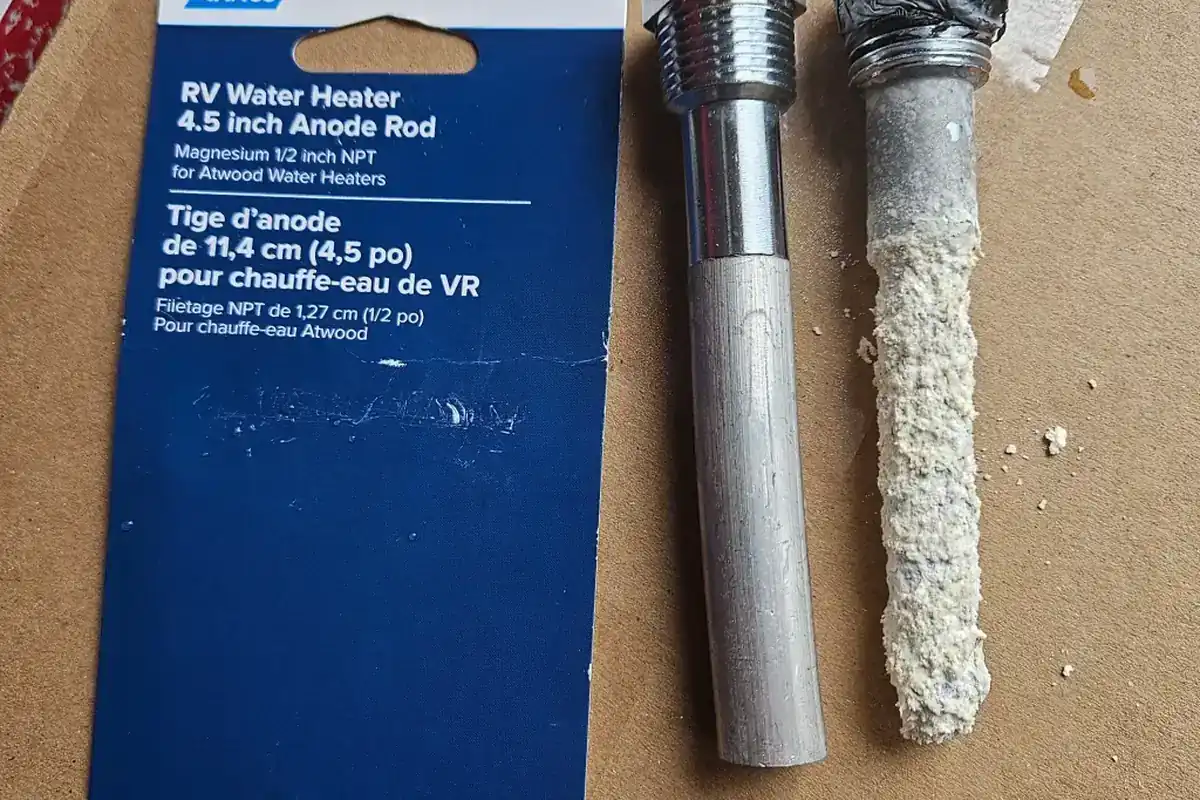
The anode rod is the quiet workhorse inside your water heater: a sacrificial metal core that corrodes on purpose so the steel tank does not. In Goose Creek, it earns that job description. Water here carries a moderate mineral load from the Lake Moultrie system, and combined with long, hot Lowcountry summers, a standard rod can be eaten away well before the tank itself shows its age. Once the rod is gone, the tank starts rusting from the inside out, and the first sign is often a leak at the base that no repair can undo.
Most homeowners in Goose Creek have never heard of the anode rod until a plumber mentions it during a service call. That is normal — it is hidden inside the tank, and it gives almost no warning before it fails. But replacing it on schedule is the single cheapest way to add years to a tank water heater's life. A rod swap takes a fraction of the time of a full heater replacement and interrupts your hot water for less than an afternoon.
When you call (833) 713-2101, we start with your heater's age, brand, and any symptoms you have noticed — sulfur smells, rusty water, slow leaks — so we arrive with the right rod type for your tank. We service homes across Goose Creek, from the older ranch neighborhoods near Red Bank Road to the newer subdivisions off St. James Avenue, and we document every rod's condition so you have a real maintenance record going forward.
Signs Your Anode Rod Is Failing
The anode rod fails silently, which is why tanks in Goose Creek seem to spring leaks "out of nowhere." The truth is usually that the rod died years earlier and the tank has been rusting quietly ever since. The clearest early warning is a rotten-egg or sulfur smell that appears in hot water only. Cold water smells fine because the reaction happens inside the heated tank, where a depleted magnesium rod interacts with naturally occurring sulfates in the water supply.
Rusty, reddish, or metallic-tasting hot water is the next stage — that color is the tank's own steel lining dissolving. You may notice it first thing in the morning, when water has sat in the tank overnight. Other clues include a tank older than six years with no service history, visible corrosion crusting around the hot-water outlet nipple on top of the heater, and a faint metallic odor when the dishwasher or washing machine runs hot. In Goose Creek's humidity, external corrosion at the tank's top ports can also accelerate — green or white crust on fittings tells you moisture and minerals are at work.
Here is the honest version: if your heater is over eight years old and the rod has never been checked, assume it is significantly consumed. That does not mean the tank is doomed. If it is not leaking yet, a fresh rod plus a sediment flush can still buy meaningful extra years. The critical line is a leak from the tank shell itself — once the steel is breached, no rod will seal it, and replacement becomes the only option. Calling at the smell or discoloration stage, rather than the puddle stage, is what saves homeowners the larger job.
How We Replace Your Anode Rod, Step by Step
A proper anode rod replacement is methodical. Rushing it is how tanks get damaged threads or air-locked heating elements. Our process starts before we touch a wrench: we shut off power at the breaker for electric units, or turn the gas control to pilot or off for gas models, then close the cold-water inlet valve. Safety comes first, every time.
Next we relieve pressure by opening a hot tap somewhere in the house and connect a hose to the drain valve, dropping the tank level just enough that water sits below the anode port — usually a few gallons. A full drain is unnecessary and wastes the energy it takes to reheat a whole tank. With the tank at the right level, we break the old rod loose with a 1-1/16 inch socket and a breaker bar. This is the step where experience matters most: years of heat cycling seize the threads, and on older tanks the force required is real. The wrong angle or a cheater bar applied carelessly can twist the tank itself.
What comes out tells a story. A rod worn to a thin wire, coated in calcium, or pitted unevenly reveals your water chemistry and confirms whether the replacement interval needs tightening. The new rod goes in with proper thread sealant, torqued firmly — snug enough to seal under pressure, not so hard that it cracks the tank's spud. Then we refill the tank completely, purge trapped air from the hot taps until the flow runs smooth, restore power or relight the pilot, and check the port under pressure for any seepage. Before we leave, we verify the thermostat setting, because overheated tanks consume rods faster and raise scald risk.
Choosing the Right Rod for Goose Creek Water
Not all anode rods are the same, and the choice matters more here than in many places. Standard magnesium rods are the factory default in most heaters. They protect aggressively, but they dissolve fastest in mineral-rich water and they are the type most associated with rotten-egg odor — a real consideration in parts of Goose Creek where sulfur compounds show up in the supply.
For many local homes, aluminum-zinc alloy rods are the practical default. They last noticeably longer in mineralized water and produce far less odor. If your complaint is sulfur smell, this switch — sometimes combined with a powered anode — is often the fix. Speaking of clearance: many Goose Creek heaters sit in garages or tight utility closets with low overhead room, and a rigid 44-inch rod simply will not fit. Segmented or flexible rods solve this without sacrificing protection; the segments link together to bend around low ceilings.
Powered anode rods are the premium option. Instead of sacrificial metal, they use a small impressed electrical current to protect the tank, so they never deplete and never feed odor-causing bacteria. For households that have battled sulfur smells or that want true set-and-forget protection, they are worth discussing. We do not push one-size-fits-all picks. We select the rod based on your water symptoms, tank age, and the physical space around your heater, and we explain the reasoning before we start.
Safety Steps and Local Factors in Goose Creek
Anode work sits at the intersection of scalding water, tank pressure, and high-voltage or gas energy, so our safety steps are non-negotiable. Electric units must be confirmed full of water before power is restored — energizing elements in air burns them out in seconds, a failure we regularly see in DIY attempts. Gas units get a leak check at the control valve and pilot assembly after any nearby work. We test the temperature-and-pressure relief valve during the visit, because a neglected T&P valve on an older tank is a genuine hazard. Drained water is hot enough to scald, so it goes to a safe discharge point, never across a walkway.
Locally, two factors shape anode life in Goose Creek. First, the water: Berkeley County's supply, drawn largely from Lake Moultrie, is moderately mineralized. It is not the hardest water in the country, but over years of heating cycles those minerals drive the galvanic corrosion the rod exists to absorb. Homes on older private wells around the edges of town can see harder or sulfur-heavy water, which chews through magnesium rods fastest.
Second, the climate: Lowcountry humidity is relentless. It corrodes external fittings, the tank jacket, and the top ports, and it keeps garage-installed heaters — the most common placement here — bathed in warm, moist air for most of the year. Many local heaters live in garages where summer heat pushes stored water temperatures higher, making the chemistry inside the tank more aggressive. The takeaway is simple: in Goose Creek, "check the rod every few years" is not generic advice. It is the difference between a tank that lasts its full life and one that fails early.