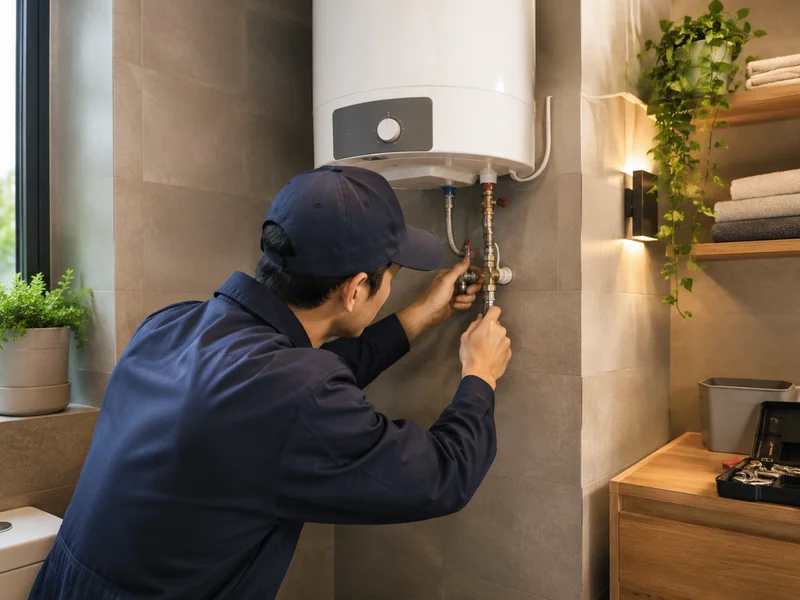
Water heater maintenance isn't complicated — it's just scheduled. The heaters that last 12 years in Goose Creek aren't luckier than the ones that die at 7; they're maintained on a rhythm that matches the local climate. Sediment gets flushed before it hardens, anode rods get replaced before the steel is exposed, TPR valves get tested before they're needed, and small problems get caught in the weeping stage instead of the flooding stage. This checklist breaks everything your water heater needs into a simple cadence: monthly two-minute glances you do yourself, seasonal tasks split between DIY and professional visits, deeper items every few years, a special section for landlords, and the 10-year milestone where planning shifts from maintenance to replacement. Print it, tape it near the tank, and follow it.
Monthly: The Two-Minute Glance
You don't need tools — just your eyes, once a month:
- Look around the base for new puddles, dampness, or mineral deposits.
- Scan the tank jacket for fresh rust streaks.
- Glance at the TPR discharge pipe end — it should be dry.
- Check that the area around the heater is clear (no storage creeping against it).
- Listen for new sounds — rumbling, hissing, or banging you haven't heard before.
Pair it with something you already do monthly — paying the power bill is a good trigger. Two minutes catches most problems while they're small.
Spring: The Annual Flush and Safety Check
Spring is the big DIY maintenance window in Goose Creek:
- Flush the tank. Attach a hose to the drain valve, open it, and run until water is clear. This removes the year's sediment before summer peak demand.
- Test the TPR valve. Lift the lever briefly — strong flow, then a clean stop on release.
- Operate the drain valve to confirm it isn't seized; if it fights you, plan a replacement.
- Check the anode rod if it's been 2–3 years since the last look (or ever).
- Verify 120°F on the thermostat setting.
- Inspect pipe insulation and replace what's degraded.
- Confirm shutoffs turn — the heater's inlet valve and the house main.
Summer: Humidity Watch and Storm Readiness
- Distinguish condensation from leaks (see our leak vs. condensation guide) — don't ignore real weeping just because it's August.
- Pre-hurricane-season: confirm you know all shutoffs; consider shutting the heater down if evacuating.
- Check surge protection on electric units ahead of thunderstorm season.
- Ensure garage/attic ventilation is clear and nothing is stored against the unit.
Fall: The Professional Tune-Up
This is the visit to schedule with a technician — the annual professional maintenance that covers what DIY can't:
- Anode rod inspection and replacement as needed.
- Burner assembly cleaning and inspection (gas) or element testing (electric).
- Gas connection and venting inspection (gas).
- Expansion tank testing — knock test plus pressure verification.
- System pressure check with a gauge.
- Overall tank condition assessment and honest remaining-life estimate.
Fall timing means the heater enters winter — when incoming water is coldest and the unit works hardest — in peak condition. Our water heater maintenance service covers this full checklist for Goose Creek homes.
Winter: Freeze Protection
- Insulate exposed pipes in crawlspaces, attics, and exterior walls before the first cold snap.
- During hard freezes, let faucets drip to keep water moving.
- Keep the thermostat at 120°F — don't crank it to compensate for cold incoming water.
- After any freeze, check around the heater and connected pipes for new leaks before assuming all is well.
Every 2–3 Years: The Deeper Items
- Anode rod replacement as needed based on inspection — typically every 3–5 years in Lowcountry water.
- Expansion tank replacement every 5–8 years, or whenever the knock test fails.
- TPR valve replacement if annual testing shows sluggish operation.
- Dip tube check if hot water runs out unusually fast — a broken dip tube mixes cold water at the top of the tank.
The 10-Year Milestone
When the heater crosses 10 years, add one item to the checklist: a replacement plan. Get a professional assessment of remaining life, research your options (tank vs. tankless), and budget accordingly. The goal is replacing on a calm spring day of your choosing — not during a midnight flood in January. Our installation team helps Goose Creek homeowners plan this transition without pressure.
Printable Summary
Monthly: visual glance, listen for new noises, keep area clear.
Spring: flush tank, test TPR valve, check drain valve, verify 120°F, confirm shutoffs.
Summer: condensation vs. leak awareness, storm prep, surge protection check.
Fall: professional tune-up — anode, burner/elements, venting, expansion tank, pressure.
Winter: pipe insulation, drip faucets in freezes, post-freeze leak check.
Every 2–3 years: anode replacement, expansion tank check, TPR valve condition.
At 10 years: replacement planning.
For Landlords and Property Managers
Rental properties in Goose Creek need the same maintenance — but nobody's watching the heater between tenants, which is how rentals get the neglected tanks that flood. Build water heater checks into your turnover process: during every make-ready, flush the tank, test the TPR valve, check the anode if it's been a few years, verify the thermostat is at 120°F (tenants crank it), confirm the drain pan and leak detector are in place, and photograph the serial number for your records. Consider it alongside the HVAC filter and smoke detector checks you're already doing. For long-term tenants, schedule the annual professional tune-up yourself rather than relying on the tenant to notice problems — tenants report floods, not weeping fittings. The economics are stark: a planned maintenance visit costs a fraction of one emergency replacement plus the flooring, drywall, and lost rent that a rental flood brings. Document every visit; maintenance records protect you in deposit disputes and insurance claims alike. And when a rental unit crosses 10 years, replace it during a turnover — the vacancy window is the cheapest time you'll ever get, and it eliminates the highest-risk failure period entirely.
Your Goose Creek Annual Maintenance Schedule
Spread across the year, heater maintenance is four small appointments with yourself. Spring: flush the tank to clear winter's sediment buildup before summer's heavy hot-water season. Summer: glance at the drain pan, test any leak alarm batteries, and check around the unit for moisture or rust after the heaviest humidity months. Fall: test the TPR valve, confirm the discharge pipe runs to a safe drain point, and inspect the anode rod if it has been two or more years. Winter: verify the thermostat setting, listen for new rumbling that signals sediment, and confirm shutoff valves still turn freely.
Landlords and property managers across Goose Creek should run this same schedule on every rental unit — water heater floods are among the costliest maintenance surprises in a rental portfolio, and documented service protects you in deposit disputes. Keep a simple log: install date, flush dates, anode checks, and any repairs. When a rental unit crosses ten years, replace it during a turnover; the vacancy window is the cheapest replacement opportunity you will ever get, and it eliminates the highest-risk failure years entirely. Prefer to delegate? Call (833) 713-2101 and we will put every property on a maintenance plan that covers this full checklist.