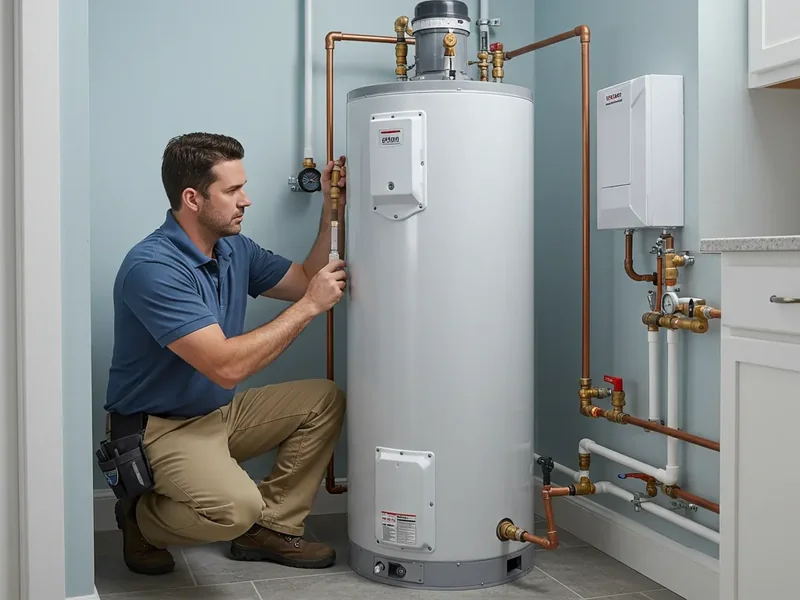
Folly Beach's 29439 ZIP is a barrier island where water heaters fight a two-front war: salt air corroding from the outside and hard daily use wearing from the inside. Beach cottages, elevated homes and vacation rentals all demand reliable hot water, and island heaters fail younger than their inland cousins, often at 8 to 10 years instead of 12. Add flood zones, elevated construction and the occasional hurricane, and replacement here is a specialty job, not a commodity swap. This page covers when replacement beats repair on the island, sizing for rentals and guest-heavy homes, corrosion and flood-zone planning, and what permitted installation involves on Folly. If your heater is leaking, rusting or done, call (833) 713-2101 for prompt service anywhere in 29439.
Why Island Heaters Fail Younger
On Folly Beach, the replacement clock runs fast. Salt air is the great accelerator: it corrodes tank jackets, fittings, gas venting and electrical connections from the outside, while normal sediment and use wear the tank from the inside. An island heater that looks rough at year eight is not unusual, and pushing a corroded tank past year ten is asking for a leak. If your Folly heater is approaching a decade, start planning the replacement rather than waiting for it to announce itself.
The hard-stop replacement signs are familiar but show up earlier here. Water leaking from the tank shell or base, rusty hot water, heavy exterior rust on the jacket and fittings, and rumbling from sediment all mean the end is near. On gas units, corroded venting is a safety issue that can force replacement of the vent system along with the heater. A heater in a ground-level enclosure that has seen flooding needs professional evaluation even if it still fires, because floodwater compromises gas controls invisibly.
Repairs still make sense on younger island units. A failed element, thermostat, relief valve or igniter on a heater under about seven years old is worth fixing. But there is an island caveat: if the tank jacket and connections are heavily corroded even though the unit is young, the remaining life may not justify the repair cost. We look at the whole unit, inside and out, and give you a straight call on repair versus replace for beach conditions.
Sizing for Rentals, Guests and Salt Air
Rental math changes sizing on Folly. A vacation rental that sleeps eight can see four showers running within an hour of beach checkout, plus laundry turnover, and a standard 40-gallon tank will not keep up. Size for peak occupancy, not the off-season: 50 gallons minimum for most rentals, larger or tankless for big houses. The first-hour rating is the number that matters, and for rentals it should cover the worst Saturday morning of August, not an average Tuesday.
Tankless units earn their reputation on the island. Endless hot water from a wall-mounted box, no tank to corrode from the inside, and compact size for tight utility closets. Gas tankless needs proper venting routes and gas line capacity, and it must be sized for simultaneous demand, a rental with two showers and a dishwasher running at once needs real capacity. Electric tankless needs substantial panel capacity. For primary residences with normal demand, a quality tank unit in a corrosion-resistant setup remains the economical choice.
Corrosion resistance should be part of every Folly specification. That means attention to the anode rod, dielectric unions where dissimilar metals meet, stainless or properly rated venting on gas units, and keeping the installation as sheltered as practical. Heat-pump water heaters work well in island garages and utility rooms, using far less electricity than standard electric tanks, though the corrosive air means the unit's own longevity deserves discussion. We spec each job for the island, not for generic suburbia.
Permits, Flood Zones and Installation Day in 29439
The City of Folly Beach requires permits for water heater replacement, with inspection of the completed work, and flood-zone rules add a local layer. Much of the island sits in mapped flood zones, and elevation requirements can govern where and how high new equipment sits. Where flood exposure is real, elevating the heater above the base flood elevation is both smart and often required for new work. We build the floodplain details into the plan from the start.
Code fundamentals apply with island emphasis. A drain pan with a dedicated drain line under any heater where a leak could damage finished space, which covers most island installations. Dedicated discharge piping for the temperature-and-pressure relief valve to a visible, safe termination. Expansion tanks on closed systems. Correct venting materials and clearances for gas units, with corrosion-resistant venting where the salt air demands it. Seismic bracing against tipping, per the Lowcountry's earthquake-zone code legacy from 1886.
Installation day on the island accounts for access realities: elevated homes mean carrying equipment up stairs, tight utility closets mean measuring twice, and parking near the beach blocks takes planning. Expect water off for a few hours, the old unit drained and hauled away, the new heater set, connected, filled, tested and left ready for inspection. Most like-for-like swaps finish in one day, and we handle the permit and inspection scheduling.
Fighting Corrosion, Storms and the Old Tank's Exit
Maintenance on Folly is about fighting the air. Annual tank flushing controls sediment, and the anode rod deserves checking more often than inland, every couple of years, because it is the tank's main defense and island conditions consume it faster. Keep the area around the heater clear and dry where possible, and glance at fittings and venting periodically for the white or green crust of advancing corrosion. Catching it early is the difference between a fitting replacement and a heater replacement.
Hurricane season is the other half of island heater ownership. Before storm season, know where your water shutoff and gas shutoff are. If a storm floods the heater's location, do not relight a gas unit until it has been professionally evaluated; submerged controls are not reliably salvageable. After the storm, check the installation for shifted venting or damaged connections. Elevating equipment during replacement is the single best long-term protection, and it is worth doing when the old unit comes out.
Old tanks leave the island as scrap. We haul the old unit away with every installation, and Charleston County recycling facilities accept scrap metal from residents. From permit to flood-zone compliance to haul-away, a Folly Beach replacement is a coordinated job for people who understand barrier-island conditions, which is exactly what your heater is up against out here.
Local Insight
The 29439 ZIP is Folly Beach proper, the Edge of America, a laid-back barrier island town at the end of Folly Road, about fifteen minutes from James Island and downtown Charleston. Housing here is pure beach town: elevated cottages and stilt homes, older ground-level bungalows grandfathered into modern flood rules, duplexes and condos, and a large stock of vacation rentals along East Ashley, West Ashley and the beachfront blocks. Center Street holds the shops, bars and restaurants, and the Folly Beach Pier and county park anchor the island's east end.
Island realities dominate every trade job. Salt air attacks anything metal, flood zones cover much of the island, and hurricane evacuations are a fact of life. Water heaters here commonly sit in ground-level enclosures beneath elevated homes, in outdoor utility closets, or in small interior spaces, all exposed to corrosive air and, in the worst spots, to storm surge and tidal flooding. The city's municipal systems serve the island, and rental turnover means heaters work harder here than in a typical single-family home. Any replacement plan for Folly has to account for corrosion, elevation, rental demand and storm exposure together.