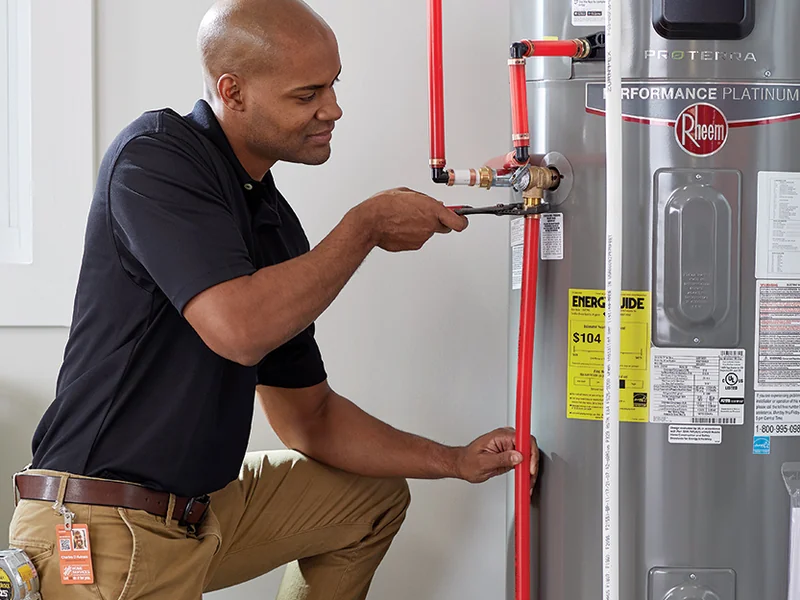
Out along Highway 17 where the Francis Marion National Forest meets the marsh, Awendaw homes ask a lot of their water heaters. Between older cottages, manufactured homes and new builds on wooded acreage, no two setups in the 29429 ZIP look quite alike, and many properties still run on private wells with the extra sediment that brings. When hot water turns rusty, runs out fast or the tank starts weeping at the base, replacement is usually the sensible call rather than another repair on a worn-out unit. This page walks through how to decide between repair and replacement, how to size a new heater for your household, gas versus electric versus tankless options that suit the Lowcountry, and what a code-compliant installation day looks like here. If your heater is already leaking, call (833) 713-2101 and we will get you scheduled promptly.
Repair or Replace? Reading the Signs on an Awendaw Water Heater
Most tank water heaters give you fair warning before they quit. The clearest sign is age: once a conventional tank passes the 10 to 12 year mark, the steel tank itself is living on borrowed time, and money spent on repairs rarely pays back. Check the manufacturer label on the unit for its birthday. If yours is pushing a decade and acting up, replacement is the practical move.
Some failures decide the question for you. A tank that leaks from the shell or the welded base cannot be repaired, because the pressure vessel itself has failed. Rusty or metallic-tasting hot water points to internal corrosion winning the fight, especially in Awendaw where many homes draw from private wells. Well water often carries more sediment and dissolved minerals than treated municipal water, and that sediment settles into a thick layer at the bottom of the tank. The burner or elements then overheat that layer, you hear rumbling or popping, efficiency drops, and the tank wall thins from the inside out.
On the other hand, younger units often deserve a repair. A failed heating element, a worn thermostat or a tired temperature-and-pressure relief valve on a six-year-old heater are straightforward fixes that can buy years of service. Inconsistent temperatures, a pilot that will not stay lit on a gas unit, or a tripped reset button are usually component problems, not tank problems. The honest test is simple: if the tank itself is sound and the unit is under eight years old, repair usually wins. If the tank is compromised or the unit is old enough to vote, put the repair money toward a new, more efficient heater instead.
Sizing the New Unit and Choosing Gas, Electric, Tankless or Heat Pump
Size matters more than brand. For tank heaters, household size is the starting point: a 40-gallon unit generally serves one to two people, while a 50-gallon tank suits three to four. But the number that really counts is the first-hour rating, which tells you how much hot water the heater can deliver in a busy hour. Awendaw homes that host big oyster-roast weekends or have teenagers showering back to back need that rating to match real life, not just the headcount.
Fuel choice depends on what reaches your property. Parts of the Awendaw area have natural gas service through Dominion Energy, and gas heaters recover faster after heavy use, which families notice on busy mornings. Many rural properties here are all-electric, served by Berkeley Electric Cooperative, and modern electric tanks are dependable and simple to install. Heat-pump water heaters deserve a serious look in the Lowcountry: they move heat from the surrounding air instead of generating it, and they thrive in warm garages and utility rooms like ours, cutting water-heating energy use dramatically.
Tankless units are the fourth option, heating water on demand with no standby losses. They suit homes with high but intermittent demand and tight spaces, since they mount on a wall. They do need proper gas line or electrical capacity and correct venting, and in a retrofit the installation is more involved than a like-for-like tank swap. During the assessment we look at your fuel availability, electrical panel capacity, venting routes and hot-water habits, then recommend the type and size that fits, never a one-size answer.
Permits, Plumbing Code and Installation Day in the 29429 Area
Water heater replacement in the Awendaw area is a permitted job. Depending on whether your property sits inside town limits or in unincorporated Charleston County, the permit comes from the corresponding building department, and the installation must meet the South Carolina plumbing code with a final inspection. Permits protect you: they confirm the venting, gas connections, electrical work and safety devices were installed to code, which matters for insurance and for resale down the road.
Code details that show up on nearly every Lowcountry replacement include a drain pan under the heater wherever a leak could damage finished space, with a dedicated drain line routed to an approved termination point, never just a pan with nowhere to drain. The temperature-and-pressure relief valve gets its own discharge pipe run to a safe location. Homes on municipal water with a pressure-reducing valve or backflow device form a closed system, and those need an expansion tank to absorb pressure spikes. Gas units need correct venting with proper clearances, and combustion air sized to the room.
One local detail people forget: the Lowcountry sits in an active seismic zone, a legacy of the great 1886 Charleston earthquake, so water heaters here should be anchored or braced against tipping as part of a code-compliant install. On installation day, expect the water shut off for a few hours, the old unit drained and hauled away, the new heater set, connected, filled, tested and inspected. Most straightforward replacements finish the same day, and you will have hot water again by evening.
Helping the New Heater Last: Maintenance, Storms and Old-Unit Disposal
A new water heater in Awendaw should give you a decade or more, and simple maintenance stretches that. The single most useful habit is flushing sediment from the tank once a year. Well-water homes especially benefit, since sediment is the main reason tanks rumble, run inefficiently and fail early. The anode rod inside the tank sacrifices itself to protect the steel; having it checked every few years and replaced when depleted is cheap insurance for the tank.
Hurricane season deserves a mention. If your heater sits in a garage or utility room at ground level in a flood-prone spot near Awendaw Creek or the marsh, know that a gas water heater that has been submerged generally should not be put back into service: floodwater fouls burners, controls and gas valves in ways you cannot fully clean. After any flooding, have the unit evaluated before relighting. Elevating replacement equipment where practical is smart planning in low-lying parts of the 29429.
When the old heater comes out, it does not go to the curb as trash. Steel tanks are recyclable scrap, and we haul the old unit away as part of the job. Berkeley County residents can also take scrap metal to county convenience centers. Between the haul-away, the permit handling and the inspection scheduling, a professional replacement leaves you with nothing to coordinate except enjoying reliable hot water again.
Local Insight
Awendaw is a place where the map still shows more green than rooftops. The town straddles Highway 17 between Mount Pleasant and McClellanville, with the Francis Marion National Forest pressing in from the west and Cape Romain National Wildlife Refuge and Bulls Bay to the east. Housing here is a patchwork: longtime family compounds, modest cottages and manufactured homes, hunting cabins turned full-time residences, and newer custom builds tucked down dirt roads off 17. That variety means water heater setups vary wildly, from heaters in vented crawlspaces under older pier homes to units in garages of new construction.
Water and sewer realities shape plumbing work here. The town core has municipal water, but plenty of 29429 addresses rely on private wells and septic systems, which is why sediment-heavy tanks and earlier-than-average heater failures are a local pattern. The town park off 17 hosts community oyster roasts in season, and households that entertain know the value of a heater sized for a crowd. For parts and day-to-day life, most residents drive the 17 corridor toward Mount Pleasant or head to McClellanville, and service scheduling here sensibly accounts for the rural drive times between stops.