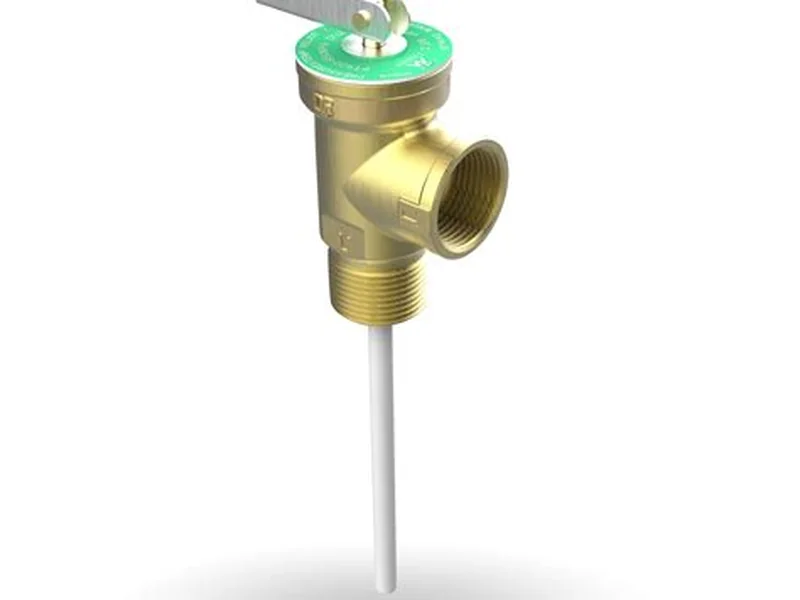
On the shores of Lake Moultrie, a dripping TPR valve is one of the most common water heater complaints we answer in Bonneau. The TPR — temperature and pressure relief — valve is the safety device that opens if tank pressure exceeds 150 PSI or temperature passes 210°F, and when it starts weeping from the discharge pipe, it is signaling a real problem: thermal expansion in a closed system, excessive incoming pressure, or a valve whose seat has been ruined by mineral scale.
Bonneau's mix of well systems, older municipal connections, and lake cottages with added check valves and filters creates closed plumbing systems all over the 29431 area — exactly the conditions that punish TPR valves. We replace failed TPR valves the same day with correctly rated valves and code-compliant discharge piping, and we track down the expansion or pressure issue behind the drip so the new valve lasts.
Your Water Heater's Last Line of Defense
Every water heater thermostat can fail. Every heating element can short. Gas valves can stick, and electric controls can weld shut — and when any of those failures lets the tank overheat, exactly one device stands between your household and a catastrophic tank rupture: the TPR valve. The temperature and pressure relief valve is engineered to open at 150 PSI or 210°F, venting superheated water through a dedicated discharge pipe and dropping tank pressure before the steel shell fails.
To appreciate what's at stake, consider the physics: water heated past its boiling point under pressure holds enormous stored energy, and a sealed 40- or 50-gallon tank gives that energy nowhere to go. When tanks rupture from overpressure, the results are explosive — heaters have been documented blowing through ceilings and roofs. The TPR valve's job is to make sure pressure never reaches that point, by giving expanding water and steam a controlled exit.
The valve does this with elegant simplicity: a calibrated spring holds it shut against normal operating pressure (typically 50-80 PSI), while a temperature-sensitive probe extends into the tank water. Excess pressure lifts the spring; excess temperature expands the probe's element and lifts the valve. Either trigger discharges water until conditions normalize, then the valve reseats. But simplicity demands maintenance: scale on the probe slows temperature response, corrosion seizes the mechanism, and years of relieving expansion duty erode the seat. A TPR valve is life-safety equipment — test it yearly, and replace it at the first sign it can't do its job cleanly.
The Five Reasons TPR Valves Start Weeping
Not every TPR drip means the valve itself is bad — in fact, most drips mean the valve is working and the system is at fault. Here are the five causes we diagnose, most common first:
Thermal expansion with nowhere to go. Heated water expands; a closed plumbing system won't let it escape. Pressure-reducing valves at the meter, check valves on wells, backflow preventers on irrigation — any of these closes your system, and every heating cycle becomes a pressure spike the TPR valve must relieve. Pattern: dripping after showers, laundry, or dishwasher runs; worse during heavy-use periods.
High street pressure. Incoming pressure above the 80 PSI code maximum keeps the whole system — including the TPR valve — operating near its limits. Pattern: dripping that correlates with municipal pressure peaks, often overnight.
Worn valve seat. After years of expansion-relief duty, the seat erodes and the valve can't seal. Pattern: the drip progresses from occasional to constant, persisting even when no hot water has been used for hours.
Overheating tank. A failed thermostat or an extreme temperature setting drives water toward the 210°F thermal limit. Pattern: very hot water at taps accompanying the drip — treat as urgent.
Scale and debris. Mineral deposits on the seat prevent sealing; a scaled probe responds sluggishly. Pattern: weak flow on testing, valve slow to reseat, visible mineral crust. Diagnosis determines the repair: expansion gets an expansion tank, high pressure gets PRV attention, a worn or scaled valve gets replaced — and usually it's a combination.
TPR Discharge Rules: The Code Details That Matter
The TPR valve gets the attention, but the discharge pipe is what makes the valve's protection real — and code treats it as life-safety piping. Under the plumbing codes enforced across South Carolina, a compliant TPR discharge line must satisfy every one of these requirements:
Same size as the valve outlet, end to end. Usually 3/4-inch pipe with zero reductions — the full relief flow has to pass. Continuous downward pitch to the termination point, so discharged water drains by gravity with no traps to hold scalding water. Visible termination within 6 inches above the floor, or to the exterior of the building — positioned so that any drip or discharge is immediately obvious to the homeowner. A plain, unthreaded end — threads invite caps, and a capped relief line is a catastrophe waiting for a pressure event. Dedicated line: no tees, no connections to other drains, no shutoff valves anywhere in the run.
Rated materials only. Relief discharge can be near-boiling, so the pipe must be rated for it — copper or CPVC typically; ordinary PVC is not acceptable. What we find in the field tells the story of skipped corners: pipes terminating inside wall cavities, discharging onto dirt crawlspace floors, cut off six feet in the air inside garages, or adapted down to garden-hose size. Each of those is a violation, and each hides the warning drip the valve is trying to give you. Our TPR replacements correct the discharge piping as a matter of course — the valve and its discharge line are one safety system, and we don't leave half of it substandard.
Around Lake Moultrie, closed systems are the norm rather than the exception: well check valves, whole-house filters added for lake-region water, and pressure regulators on municipal connections all block the path expanded water would take back out of the house. Every heating cycle then becomes a pressure event, and the TPR valve takes the beating. In Bonneau we pair nearly every TPR replacement with an expansion-tank check, because replacing the valve without addressing expansion just schedules the next service call.
Why Lowcountry TPR Valves Fail the Way They Do
TPR valves don't fail randomly — they fail according to the water system feeding them, and the Lowcountry's systems write a clear script. Where PRVs are common (high-pressure municipal zones), the script is trapped thermal expansion: every heating cycle spikes pressure, the valve relieves it, the seat erodes drip by drip until the weep is constant. The discharge-pipe puddle in the garage is chapter one; the failed seat is the ending.
Where wells dominate, the script adds mineral scale: check valves close the system, expansion hammers the valve, and well-water minerals scale the seat so it can't seal and the probe so it responds late. Rural valves fail younger and can fail shut — the seized valve that looks fine while offering zero protection.
Where the water is hard but municipal — the limestone belt — the script is scale-first: seats crust over and weep, probes lag, and the valve that should snap open at 210°F hesitates. At the beaches, salt air writes its own chapter: corroded bodies, seized mechanisms, ground-level enclosures that flood and hide discharge terminations.
Reading the script correctly is what separates a lasting repair from a repeat visit. A new valve without expansion control on a closed system is a countdown, not a cure. Our TPR service therefore works the whole problem: gauge-test system pressure, identify the closure (PRV, check valve, backflow preventer), verify or install expansion protection, replace the valve with the correct 150 PSI / 210°F rating and probe length, and run the discharge piping to code. The valve stops being the system's shock absorber and goes back to being its silent guardian — which is the only job it should ever have.
Local Insight
TPR valve failures in Bonneau follow the lake-region water pattern. Homes on private wells run pressure tanks with check valves that close the system; homes on municipal connections often have pressure-reducing valves installed during past remodels. Either way, heated water has nowhere to expand, pressure spikes with every recovery cycle, and the TPR valve — the system's designated weak point — starts relieving a little at a time. Within months the seat is scored and the valve weeps constantly, even at normal pressure.
Lake cottages converted to full-time homes add a usage factor. A tank that once fired occasionally for weekend guests now recovers daily for a family, multiplying the number of expansion cycles the TPR valve endures. Mineral-heavy groundwater accelerates the damage: scale builds on the valve seat and probe, the probe responds sluggishly to temperature, and the valve can begin sticking — the most dangerous failure mode, because a stuck TPR valve cannot protect the tank at all.
Replacement in Bonneau means more than threading in a new valve. We verify the rating matches the tank (150 PSI / 210°F, probe length correct for the tank), re-run discharge piping to a visible code-compliant termination, and check system pressure with a gauge — including an overnight-style reading when pressure spikes are suspected — so thermal expansion gets solved with an expansion tank rather than sacrificed valve after valve.