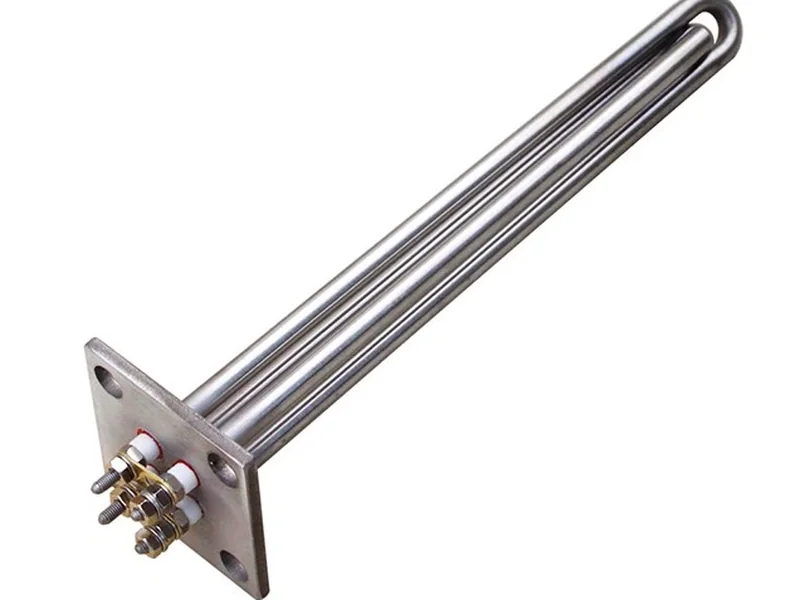
South North Charleston's 29420 runs on electric water heaters with long memories — tanks installed decades ago in post-war ranch homes, elements that have survived thousands of heating cycles in hard water that was never flushed. When an element finally fails here, it usually fails as part of a larger story: sediment measured in inches, thermostats original to the installation, wiring old enough to vote.
That context makes professional diagnosis essential rather than merely advisable. In a newer tank, a failed element is an isolated event; in a 29420 legacy tank, the failed element may be the first visible symptom of systemic neglect — or it may be a simple component failure on a tank with years left. Telling those apart requires testing the complete system, not just swapping the obvious part.
Our 29420 element service does exactly that: full electrical diagnosis of elements, thermostats, and circuit condition; honest assessment of the tank's overall health; then the right work — a clean element replacement with correctly matched parts when the vessel deserves it, or a straight replacement recommendation when it does not. Call (833) 713-2101 when the hot water fails.
Your Tank's Two Elements: Roles and Failure Signatures
Two elements, two distinct jobs — and in the 29420's older tanks, understanding their partnership explains both the symptoms and the diagnosis.
The upper element serves the tank's top portion and fires first on every demand. Its purpose is recovery speed: getting usable hot water flowing quickly after the tank is drawn down. Governed by the upper thermostat (set slightly higher than the lower), it runs shorter, more frequent cycles. When it fails in a 29420 tank, the symptom is water that never gets fully hot — the lower element keeps heating the bottom, but the top never reaches temperature, and the mixed output stays lukewarm.
The lower element is the volume heater: once the upper portion satisfies, control passes down for the long cycles that heat the bulk of the tank. Sitting in the sediment zone, it bears the brunt of the 29420's unflushed mineral accumulation — which is why lower-element failures dominate here. Its failure signature is unmistakable: hot water at first, gone far too soon, as the unheated bottom two-thirds dilute the top.
Sequential firing is the key design fact: residential tanks energize one element at a time, upper first. A single failure therefore means degraded — not absent — hot water, and the specific degradation pattern identifies the suspect. But identification is not conviction: we test both elements electrically on every visit, because the 29420's aging tanks frequently harbor a second failing component behind the obvious one.
Decades of Hard Water: What It Does to 29420 Elements
The 29420's water has been waging its slow war on heating elements for decades — here is the mechanism, playing out in real tanks.
Moderately hard municipal water carries dissolved calcium and magnesium. Every heating cycle precipitates a fraction of these minerals; in an electric tank, the precipitate settles onto the lower element and tank bottom. Without flushing — the 29420's standard history — the accumulation never reverses: year after year of deposits building into an insulating mass around the element.
The trapped element overheats progressively. Designed to transfer heat into water, it instead heats mineral insulation; sheath temperatures exceed design limits; the metal fatigues, pits, and breaches. Water contacts the coil; the element shorts or opens; the breaker trips. When we extract lower elements from long-neglected 29420 tanks, the mineral entombment is sometimes so complete that the element's original shape is barely discernible — decades of water chemistry made visible.
Interrupting a decades-long pattern
Annual flushing stops the accumulation cold: substantial drain-downs until water runs clear, removing sediment before it can insulate. For 29420 tanks beginning maintenance late, the first proper flush is revelatory — gallons of sediment before clear water — and we pair it with the element replacement so the new part starts clean. Going forward, the rhythm is simple and the payoff is large: elements that serve their full rated life instead of dying buried. The water will keep depositing; the tank just needs to keep flushing.
Element or New Tank? The 29420's Honest Calculus
A dead element in the 29420 always prompts the bigger question — and the honest answer depends on reading the whole tank, not just the failed part.
Replace the element when the vessel earns it: under roughly ten years old, no base rust or seam seepage, clear flush water, a serviceable anode rod. On those facts the tank has genuine life remaining, and the element swap is the economical, correct repair — the outcome we see in many 29420 homes where the tank itself has held up better than its maintenance suggested.
Replace the tank when the shell tells its story: rust at the base, moisture along the bottom seam, rusty flush water, or advanced age with zero maintenance history. A new element cannot rehabilitate a breached shell, and installing one merely spends money on the way to an inevitable replacement. We present the shell evidence directly and recommend accordingly.
The 29420 judgment factors
Calendar age understates wear in never-maintained tanks, so we read physical evidence: the pulled rod's condition, flush-water color and sediment volume, base integrity, thermostat age, wiring condition. These readings together form the tank's true biography — more reliable than any nameplate. Borderline cases receive honest probabilities rather than pressure: the likely return on a repair versus the trajectory toward replacement. Older homes deserve the same rigorous honesty as new ones; in the 29420, we would argue they deserve more, because the cost of guessing wrong lands harder.
240 Volts in Older Homes: Why This Is Professional-Only Work
A plain-spoken safety section, because the 29420's older installations make every electrical hazard more likely: this work involves 240 volts, and it is not DIY work.
Two energized legs, high amperage, damp surroundings, a grounded steel tank — the combination is unforgiving. In the 29420 specifically, the risks multiply: breaker panels with decades of optimistic labeling (the water heater's breaker is frequently not the one marked), legacy wiring of uncertain condition, corroded terminals, and installations where previous hands have left surprises. Assuming the power is off because a breaker was flipped is how injuries happen.
Beyond shock, DIY element attempts fail technically: dry-firing the new element by re-energizing before complete refill (destroys it in seconds), installing the wrong wattage (circuit overload or chronic underheating), misseating the gasket (slow leak at the port), and skipping the thermostat assessment (replacing the wrong part entirely).
Non-negotiable procedure
Ours: breaker off, verified dead by meter at the unit — always; lockout during work; element matched exactly to rating; new gasket properly seated; full refill with complete air purge; power restored only after water confirmation; monitored test cycle checking current draw, heating, and breaker stability — plus a circuit-condition check under load, given the area's wiring age. Professional, verified, safe. In the 29420, with its legacy infrastructure, there is no acceptable shortcut past any of these steps.
Local Insight
The 29420's post-war housing stock — 1940s through 1970s ranch homes and bungalows along the Dorchester Road corridor — carries some of the oldest electric water heaters in our service area. Many have never been flushed; many run original thermostats; the moderately hard municipal water has been depositing sediment for decades. Lower elements extracted from 29420 tanks are routinely entombed in mineral deposits — the end stage of sediment burial playing out over twenty-plus years.
Legacy electrical infrastructure is the second defining factor: aging panels, optimistic breaker labeling, original wiring, and element terminals corroded by decades of humid air. Our meter-verified safety procedure — confirmed dead, never assumed — is especially critical here. We also inspect circuit condition under load during the test cycle, since an element replacement is the right moment to catch wiring issues.
The area's economics favor repair-when-honest: a correctly diagnosed element replacement on a sound tank delivers years of service at a fraction of replacement cost. We make the honest call every time — repairing what deserves repair, and saying plainly when the tank's story is over.