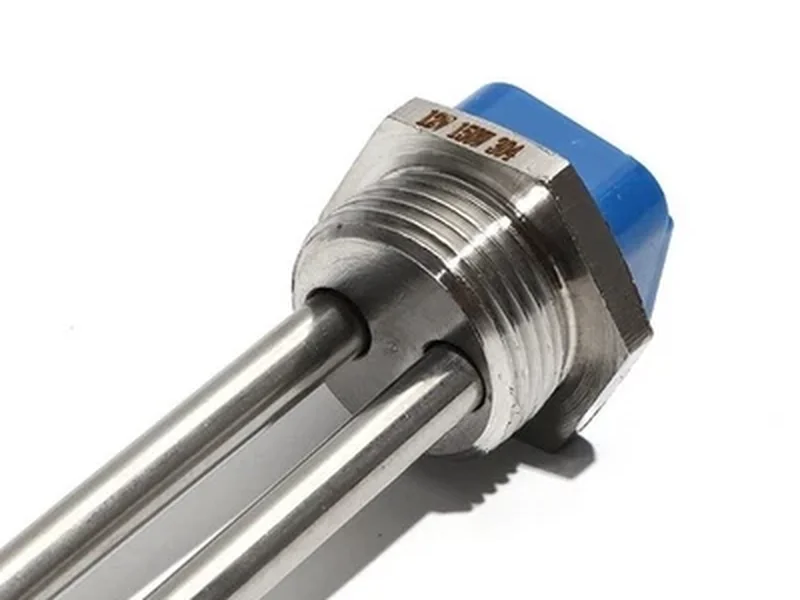
Huger is forest-edge country — the Cainhoy peninsula and the roads toward the Francis Marion National Forest — where electric water heaters run on well water in some of the most remote homes we service. In the 29450 ZIP, heating elements face the compounded rural assault: iron-mineral well sediment burying lower elements, forest humidity corroding electrical connections, heaters in sheds and crawlspaces on wooded lots far from town. The lower element burns through first — overheated under its scale blanket — then the strained upper components follow. Huger homeowners learn the symptoms by necessity: showers fading cold, the reset tripping, the kettle-rumble of boiling sediment. Our technicians bring full well-water element service to Huger: stocked trucks for one-visit repair, exact electrical diagnosis, and the sediment-anode assessment remote heaters require.
The Forest-Edge Assault on Electric Heaters
Huger's setting — wooded lots against the Francis Marion National Forest, the Cainhoy peninsula's rural roads — creates a distinctive wear pattern on electric water heaters. Forest humidity is the constant: air under a raised home on a wooded lot stays damp for days after rain, and that moisture condenses on element terminals, thermostat contacts, and junction-box wiring. Corroded connections drop voltage; voltage drop at 19 amps generates terminal heating; terminal heating cooks elements at their connection ends. We find green-oxidized terminals on Huger heaters as a matter of routine — and elements failed from connection starvation as often as from sediment.
Well water delivers the second assault. Huger wells carry the iron-mineral load typical of the region's aquifers, building sediment beds that bury lower elements and insulate them into overheating failure. The two assaults compound: a lower element simultaneously voltage-starved by corroded terminals and insulated by sediment fails faster than either cause alone would produce. This compounding is why Huger element life on neglected tanks is among the shortest we see — and why our service addresses connections and sediment together, never one without the other.
Remoteness is the third factor, and it cuts both ways. Failures go unnoticed longer on properties checked infrequently — a heater in a shed at the back of a wooded lot can limp for months before anyone connects the lukewarm water to a failing element. But remoteness also makes prevention valuable: the maintenance visit that costs one trip prevents the emergency that costs two. We structure Huger service accordingly — thorough single visits, forecasted timelines, and maintenance scheduling that respects the miles.
Complete Electrical Diagnosis, Far From Town
Distance makes accuracy mandatory — there is no cheap callback in Huger — so our diagnostic is exhaustive. Power verified off at the breaker with tester and multimeter. Both elements' resistance measured: ~12-13 ohms healthy for 4,500W, open or shorted for failed. Both thermostats tested for calibration and switching behavior. High-limit switch checked. Every electrical connection — element terminals, thermostat contacts, junction box — inspected for forest-humidity corrosion, heat discoloration, and torque. Voltage verified at the heater under load, because upstream corrosion can drop voltage and mimic element failure.
During drain-down we assess the sediment bed depth and the anode rod's remaining life — the well-water pair that determines whether this is an element repair or a tank-health conversation. Heaters on Huger wells consume anodes aggressively; a dead anode with a failed element on a 12-year-old tank changes the recommendation from simple repair to repair-plus-anode or full replacement assessment. We present the complete picture with the evidence visible: the resistance readings, the sediment, the anode stub.
Symptom history still guides us — no hot water points upper, fading hot water points lower, tripping breaker means fault (leave it off), popped reset means overheating, rumbling means sediment boiling, rusty water means anode and tank — but in Huger we trust the meters over the story, because compounded failures produce mixed symptoms. The diagnosis sorts primary failure from contributing causes, and the quote reflects both.
One-Visit Replacement in Remote Installations
Huger calls are stocked-truck calls by policy: elements in common wattages and types, thermostats, high-limit switches, gaskets, standard and aluminum-zinc anodes, terminals and connectors, rural fittings. The replacement sequence runs full electrical safety: lockout-verified power-off, panels opened, wiring documented and disconnected, tank drained below the service point, old element out, port cleaned. New element matched exactly — wattage, voltage, type — with a new gasket always.
Connection renewal is standard on Huger jobs, not optional: corroded terminals cleaned or replaced, wire ends renewed where heat-discolored, all connections torqued to specification. Thermostats cleaned of forest dust and tested; marginal ones replaced while open. The anode replaced when depleted — on Huger wells, often — because a new element on a tank with a dead anode is a repair with a short horizon. Junction-box wiring inspected and remade where corrosion has compromised it.
Dry-fire prevention is absolute: complete refill, air purged through hot taps until solid, then power restored. Final verification cycles both elements, confirms the high-limit holds, tests the relief valve, sets 120 degrees, and load-checks every connection for terminal heating under full current. We review the full findings — elements, thermostats, connections, sediment, anode, tank health — and set the maintenance rhythm: annual flushing, anode checks on well-water schedule, connection inspection. Hot water restored the same visit, documentation in hand.
Keeping a Remote Heater Reliable
For Huger properties — especially those checked infrequently — the maintenance program is hot-water security. Annual tank flushing prevents the sediment burial that kills lower elements; schedule it as a service visit and combine it with the anode check and connection inspection, and one trip covers the year's heater needs. Thermostats stay at 120 degrees — hotter settings accelerate scaling measurably on well water.
Vegetation management is the forest-edge habit: keep growth cut back from sheds, crawlspace entries, exterior electrical runs, and well equipment. Vegetation traps the moisture that corrodes connections, hides developing problems, and blocks service access. A clear perimeter around the heater's building is maintenance with compound returns.
For infrequently visited properties, add remote awareness: a water alarm in the heater space alerts your phone to leaks or flooding — cheap protection against the silent failure. Brief whoever checks the property on the basics: rusty water, rumbling, tripping breakers, and the rule that electrical faults get professional assessment, never DIY. In forest-edge country far from town, the heater that gets annual attention is the heater that never becomes an emergency. And keep our number where the property checker can find it — a quick call at the first warning sign, with the heater's age and symptoms ready, lets us arrive with the right parts for a single-visit fix rather than a diagnostic trip followed by a repair trip.
Local Insight
Huger's 29450 is the Cainhoy peninsula and the forest-edge roads of eastern Berkeley County — Highway 41 and 402 through timber land toward the Francis Marion National Forest, homes on large wooded lots and family compounds, among the most remote addresses in our service area. Wells are universal; electric heaters the standard; sheds, crawlspaces, and carports the installations. The environment is the story: forest humidity that never fully leaves, well water heavy with iron and minerals, and distances that make every service trip significant.
Element failure in Huger is characteristically compounded — connection corrosion from forest humidity plus sediment burial from well water, each accelerating the other, producing the shortest neglected-tank element life we see. Infrequently checked properties let failures progress silently for months. Our Huger element service is designed for exactly this: exhaustive single-visit diagnosis (meters over assumptions), connection renewal as standard practice, sediment-anode-tank assessment on every call, stocked trucks eliminating second trips, and maintenance structuring — annual flushing, well-water anode scheduling, vegetation management, water alarms for remote properties — that converts remoteness from a vulnerability into a managed routine.