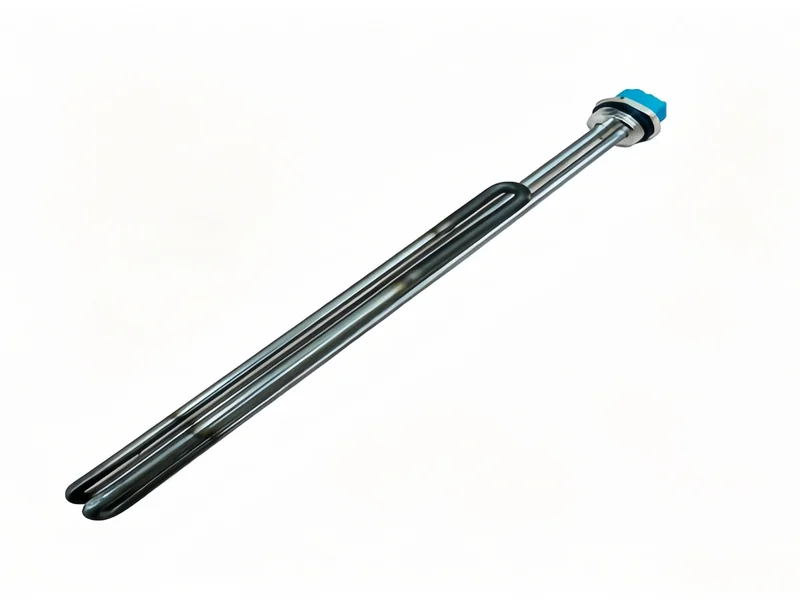
Hollywood's farm country runs on wells and electricity — and its electric water heaters take the full punishment of both. In the 29449 ZIP, from the SC-162 corridor to the back roads toward Ravenel and Meggett, heaters in sheds, well houses, and crawlspaces heat iron-heavy well water with elements that sediment buries years ahead of schedule. The physics are unforgiving: the lower element sits in the sediment bed, the scale insulates it, the loop overheats, and the element burns through — often at five to seven years on unflushed tanks. Hollywood homeowners read the signs in the shower: hot water fading fast, the reset button tripping, the tank rumbling like a kettle. Our technicians cover Hollywood with rural-stock trucks, well-water expertise, and one-visit element replacement done to full electrical safety standards.
Farm-Country Wells and Element Life
Hollywood wells vary, but the pattern holds: dissolved iron and hardness minerals at levels that make municipal water look distilled. Heated water precipitates those minerals as sediment; sediment settles over the lower element; the element — unable to shed heat through the insulating scale — runs its internal loop hotter and hotter until the sheath fails or the loop burns open. On Hollywood's harder wells, this cycle completes in five to seven years without flushing. Even moderate wells cut element life substantially versus the 10-12 years flushing delivers.
Iron brings the companion problems. Iron sediment is denser and more thermally insulating than calcium scale, so iron-heavy wells kill elements fastest. Iron also accelerates anode rod consumption — the anode sacrifices itself protecting the tank's steel, and aggressive water eats it in two to three years instead of five. A dead anode means the tank starts corroding, shedding rust particulate into the sediment bed, which buries the replacement element faster. Element, anode, and sediment are one system on well water; we assess all three on every Hollywood call.
Sulfur odor — the rotten-egg smell in hot water — is the well-water signature many Hollywood homeowners know. It comes from sulfate-reducing bacteria reacting with the standard magnesium anode, not from the element, but it signals the aggressive water chemistry that also shortens element life. An aluminum-zinc replacement anode usually resolves the odor while we address the element — two birds, one visit.
Symptoms on a Working Farm: Reading the Heater
Farm households notice heater problems in the rhythm of farm life: the shower fading cold before the workday starts, the reset button tripped again on the way to the barn, the tank rumbling loud enough to hear across the shed. The diagnostic code: fast-fading hot water means the lower element is down — the upper heated its zone and handed off to a dead lower loop. No hot water at all means the upper element or thermostat. Lukewarm throughout means scaling or thermostat drift. Tripping breaker means a shorted element or electrical fault — leave it off and call. Popped reset means overheating, usually sediment-driven. Rumbling means sediment boiling — the lower element cooking under scale.
Dust is the farm-country accelerant nobody expects on an electric heater. Fine field dust infiltrates sheds and well houses, coating thermostats and electrical connections, interfering with heat dissipation and accelerating contact corrosion. We clean thermostats and connections as part of every rural element job — a dust-fouled thermostat misreads tank temperature and cycles the elements erratically, aging them prematurely.
Chemical storage near the heater is the hazard we always check. Chlorine, pesticides, and solvents in the same shed corrode electrical components rapidly — and their fumes near any electrical equipment are a risk multiplier. If your heater shares air with farm chemicals, relocating them is as important as the element repair. We advise directly; some safety guidance is not optional.
One-Visit Rural Replacement
We schedule Hollywood calls for single-visit completion: the truck carries common element wattages and types, thermostats, high-limit switches, gaskets, anodes (including aluminum-zinc for sulfur wells), and rural fittings. Diagnosis takes 20-30 minutes: symptom history, power verified off at the breaker with tester and multimeter, element resistance measured, thermostats and high-limit tested, connections inspected, sediment and anode assessed during drain-down. The exact failed component — element, thermostat, switch — is identified before quoting.
Replacement follows the full electrical safety sequence: lockout-verified power-off, panels opened, wiring documented and disconnected, tank drained below the service point, old element out, port cleaned. New element matched exactly — wattage, voltage, type — because rural panels vary in capacity and an over-wattage element on a marginal circuit is a fire hazard. New gasket always. Thermostats cleaned of dust and tested; marginal ones replaced. Connections cleaned, tightened, torqued.
Dry-fire prevention is non-negotiable: complete refill, air purged through hot taps until flow is solid, then power restored — seconds of dry energizing kills a new element. Final verification cycles both elements through the thermostats, confirms the high-limit holds, tests the relief valve, sets 120 degrees, and load-checks connections for terminal heating. We review the sediment findings, demonstrate flushing, discuss anode scheduling and — for severe wells — the honest treatment conversation. Hot water restored the same visit.
The Well-Water Maintenance Program
Annual tank flushing is the foundation — the practice that separates 5-year element life from 10-year element life on Hollywood wells. Drain the sediment bed yearly before it buries the lower element, and the burnout physics never engage. We demonstrate during our visit; the procedure takes minutes with a hose, and we offer it as a maintenance service for those who prefer professional handling around 240-volt equipment.
Anode scheduling runs on well-water time: check every two to three years, replace when depleted. The anode is cheap; the tank it protects is not. On sulfur-odor wells, specify aluminum-zinc at replacement — it resists the bacterial reaction that causes the rotten-egg smell while still protecting the tank. Thermostat discipline at 120 degrees matters more on well water: hotter settings measurably accelerate mineral precipitation and scale formation.
For the severest wells — elements dying in three to four years despite flushing, iron staining every fixture in the house — we discuss treatment honestly. A sediment filter catches particulate iron before the heater; a softener or dedicated iron filter changes the dissolved chemistry. Measured against elements, anodes, and premature tanks, treatment often pays for itself — but only the water test and the sediment evidence justify it, and we will tell you which category your well falls in. Early symptom response completes the program: fading hot water and tripping resets are modest repairs at first notice, expensive after months of strain.
Local Insight
Hollywood's 29449 is rural Charleston County farm country — the SC-162 corridor and the roads toward Ravenel, Meggett, and the Stono, where fields, timber, and live oaks still outnumber subdivisions. Homes are farmhouses on family land, manufactured homes on acreage, and the leading edge of suburban growth. Wells are the water standard; electric heaters the heating standard; sheds, well houses, and crawlspaces the installation standard. It is working infrastructure in working buildings.
The Hollywood element pattern is the full rural well-water syndrome: iron-heavy sediment burying lower elements, burnouts at five to seven years unflushed, anodes consumed in half the textbook interval, sulfur odor on bacterial wells, dust fouling thermostats in open sheds, and chemical storage sharing heater air. Distances to service are real, which makes one-visit completion and prevention equally valuable. Our Hollywood element service is engineered for the setting: stocked trucks with elements, thermostats, switches, gaskets, and both anode types; exact electrical diagnosis; sediment-anode-sulfur assessment on every call; and the maintenance program — flushing, anode scheduling, 120-degree discipline, treatment guidance for severe wells — that turns well water from an element-killer into a managed condition.