Folly Beach runs heavily electric — many island cottages were built all-electric, and electric water heaters avoid the gas-valve corrosion and flood-submersion rules that plague gas units on a barrier island. But island electric heaters have their own enemy: salt air. In the 29439 ZIP, water heaters live in ground-level enclosures beneath elevated homes and in outdoor utility closets, breathing ocean air that corrodes element terminals, thermostat contacts, and wiring connections years ahead of inland schedules. When an element fails here, it is often the electrical connections that failed first — voltage dropping across corroded terminals, cooking the element at the connection point. Add vacation-rental duty cycles and storm-season flooding, and Folly Beach elements live an intense life. Our technicians replace heating elements across the island with coastal-grade electrical care: corrosion-honest diagnosis, renewed connections, and complete verification.
Salt Air and Electricity: The Island's Element Killer
On Folly Beach, the element itself is rarely the first thing to fail — the connections are. Salt-laden air infiltrates every outdoor and semi-outdoor enclosure on the island, and it attacks the element's terminal screws, the thermostat contacts, and the wire connections in the junction box. Corrosion at a terminal increases electrical resistance; resistance at 19 amps generates heat; heat cooks the element's terminal end and degrades the thermostat beside it. We open island heaters to find green-oxidized terminals and heat-discolored wiring with depressing regularity — and the element, starved of proper voltage and baked at its connection, fails as the final casualty of a corrosion chain.
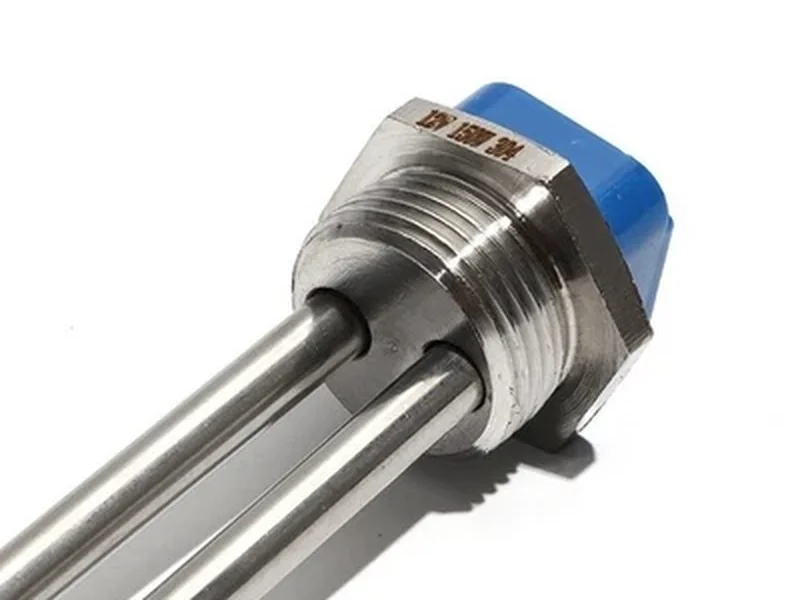
This changes the repair. Replacing the element without addressing the corroded terminals and connections just installs a new victim — the same voltage drop and terminal heating will kill the replacement on an accelerated schedule. Our Folly Beach element service therefore includes terminal and connection renewal as standard: corroded terminals cleaned or replaced, wire ends renewed, connections torqued to specification, dielectric protection where appropriate. The element gets a healthy electrical environment, not just a swap.
Enclosure conditions matter enormously. Ground-level enclosures beneath elevated homes flood in tropical systems; even without flooding, they breathe the island's full humidity and salt load. Outdoor utility closets fare slightly better but still corrode faster than any inland installation. During our visit we assess the enclosure — ventilation, drainage, weather exposure — and advise on the practical improvements (better drainage, corrosion-resistant hardware, water alarms) that extend the next element's life.
Flood Zones and Electric Heaters: What Owners Must Know
Electric water heaters handle flooding differently than gas units — there is no gas valve with a submersion-replacement rule — but floodwater is still destructive. Submerged electrical components (thermostats, elements, wiring) corrode rapidly in salt water, and a flooded heater's electrical system should be professionally assessed before re-energizing. Energizing a salt-contaminated heater risks short circuits, breaker damage, and in the worst case, electrical fire. If your island heater took water, call us before flipping the breaker back on.
The assessment after flooding covers the full electrical path: element resistance and insulation integrity, thermostat function, wiring condition, breaker and panel state. Components with salt contamination get replaced, not dried and hoped over — salt residue continues corroding long after the water recedes. We document everything thoroughly, since storm-related electrical damage is commonly included in homeowner claims and our documentation supports yours.
For rental properties, the between-guests flooding scenario is the dangerous one: a storm floods the enclosure while the house sits empty, and the next guests arrive to a compromised heater. Property managers should inspect ground-level enclosures after every significant storm — look for water lines, debris, and odor — and call for assessment before re-energizing anything that took water. A water alarm in the enclosure, alerting the manager's phone, is cheap protection against the silent flood.
Diagnosis and Replacement in Coastal Conditions
Our Folly Beach diagnostic assumes corrosion until proven otherwise. Power verified off at the breaker, then: element resistance tested, thermostats tested, high-limit checked — and every electrical connection inspected for salt corrosion, heat discoloration, and tightness. Voltage is verified at the heater under load, because corroded connections upstream can drop voltage and mimic element failure. The sediment assessment runs as usual during drain-down; island municipal water is moderate, but rental-duty cycling and age still build scale.
Replacement includes the connection renewal that island conditions demand: element terminals cleaned or replaced, wire ends renewed where corroded, all connections torqued to specification. The new element matches wattage, voltage, and type exactly, with a new gasket always. Thermostats and high-limit tested while open — on the island, we replace marginal ones proactively more often than inland, because a marginal thermostat in salt air fails fast and the incremental cost during the visit is small.
Dry-fire prevention is rigid: complete refill, air purged through hot taps until solid, then power restored. Final verification cycles both elements, confirms the high-limit holds, tests the relief valve, sets 120 degrees — and includes a final connection-integrity check under load, verifying no terminal heating with the elements drawing full current. Hot water restored the same visit, with documentation noting the corrosion findings and enclosure recommendations for owners and managers.
Rental Properties: Keeping Island Hot Water Reliable
Vacation rentals are the dominant use case on Folly Beach, and their heaters work differently: intense weekend duty cycles, long idle periods between bookings, and problems discovered by guests rather than owners. The idle periods are actually hard on island heaters — stagnant water in a salt-air enclosure corrodes faster than cycled water, and a heater that sits for three weeks then runs six showers back-to-back stresses elements maximally. Annual pre-season servicing is the highest-ROI maintenance a Folly Beach rental owner buys: element and connection inspection, sediment flush, anode check, enclosure assessment.
Give your property manager a simple protocol: guests reporting no hot water means a service call — never let guests touch the breaker panel or attempt resets beyond the heater's own reset button, and only then if instructed. Any burning smell or repeated breaker tripping means the heater stays off until assessed. Post the heater's breaker location in the owner's closet; a manager who can safely de-energize the unit before we arrive prevents damage from compounding.
Consider the economics with clear eyes: a planned element replacement with connection renewal in the off-season costs a fraction of a mid-rental emergency — the refund, the bad review, the weekend emergency rate, and the replacement of a heater that died from a preventable connection failure. We offer rental owners honest condition assessments with forecasted timelines: what is healthy, what is declining, and what the next twelve months likely hold. Planned beats panicked, every season.
Local Insight
Folly Beach's 29439 is the six-mile barrier island — beach cottages raised on pilings after Hurricane Hugo, newer elevated construction, and a heavy vacation-rental inventory — where much of the housing was built all-electric and electric water heaters are the norm. Units live in ground-level enclosures beneath elevated homes and in outdoor utility closets, inside FEMA flood zones, breathing salt air year-round. It is the most corrosive service environment for electric heaters in our coverage area.
The island's element story is electrical rather than sediment-driven: salt air corrodes terminals, thermostat contacts, and wiring connections years ahead of inland schedules, and elements typically die as casualties of that corrosion — voltage drop and terminal heating killing them at the connection point. Flood exposure adds the assessment-before-re-energizing rule, and rental duty cycles (intense weekends, long idle stretches) stress elements maximally. Our Folly Beach element service is built for all three: corrosion-assumed diagnosis with terminal and connection renewal standard, flood-assessment protocol with claim-ready documentation, and rental-owner preventive programs with forecasted timelines. On the Edge of America, hot water reliability is a maintenance discipline — and we run it.