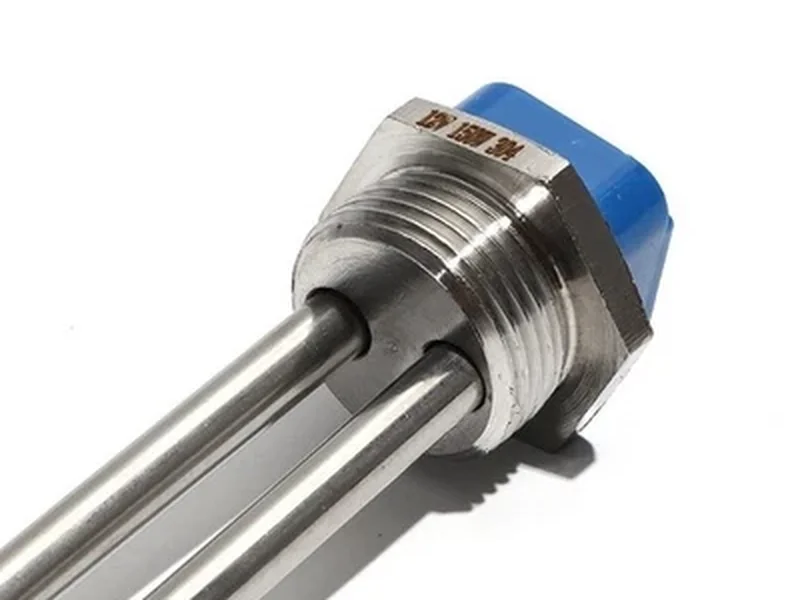
Cross is Santee Cooper lakes country — rural Berkeley County between Lakes Moultrie and Marion — where electric water heaters are the standard and well water is the rule. In the 29436 ZIP, heating elements live the hardest life in our service area: iron- and mineral-heavy well water building thick sediment beds, heaters in sheds and pump houses breathing open-country air, and long distances to the nearest technician when something fails. An electric heater's lower element, buried in that sediment, overheats and burns through years ahead of schedule; the upper element follows when thermostats and the high-limit switch wear from the strain. Cross homeowners know the symptoms: showers that fade fast, the red reset button popping, breakers tripping, rumbling tanks. Our technicians replace heating elements across the Cross area with well-water expertise, correct-spec parts, and the sediment assessment that rural heaters demand.
Well Water vs. Heating Elements: The Cross Story
Cross wells draw from the aquifer system feeding the Santee Cooper lakes, and that water carries the region's signature load: dissolved iron, manganese, calcium, and magnesium at levels municipal customers never see. Heated water drops these minerals as sediment, and the sediment — heavier than water — builds its bed at the tank bottom, directly over the lower heating element. Iron sediment is the worst of it: denser and more insulating than ordinary calcium scale, it wraps the element's sheath in a thermal blanket the element cannot shed heat through.
The failure physics are relentless. The lower element's resistive loop must deliver its rated 4,500 watts; insulated by scale, the loop temperature climbs far beyond design, thermally stressing the sheath until it cracks or the loop burns through. Meanwhile the overheated zone trips the high-limit energy-cut-off, the thermostat cycles erratically, and the tank rumbles as trapped water flashes to steam under the sediment. On unflushed Cross tanks we routinely find lower elements dead at five to seven years — half the life the same element delivers on municipal water with flushing.
Well water also consumes anode rods aggressively, which links element calls to tank-health calls. Once the anode is gone, the tank's steel starts corroding — and a corroding tank sheds rust particulate that joins the sediment bed, accelerating the cycle. Every Cross element visit therefore includes the anode assessment: replacing an element while ignoring a dead anode is repairing the symptom while the disease progresses next door.
The Rural Service Visit: Stocked, Thorough, One Trip
Distance defines service in Cross, so we arrive prepared: common element wattages and types (screw-in and flange), thermostats, high-limit switches, gaskets, anodes, and the fittings rural jobs tend to need. Diagnosis runs 20-30 minutes: your symptom history, power verified off at the breaker (located and tested — rural panels vary widely), element resistance measured, thermostats and high-limit tested, sediment and anode assessed during drain-down. We identify the exact failed component before quoting — element, thermostat, or switch — because rural callbacks are expensive for everyone.
Replacement follows the full safe electrical sequence: breaker off, dead verified at the heater with tester and multimeter, panels opened, wiring disconnected and documented, tank drained below the service point. The new element matches wattage, voltage, and type exactly — critical on rural panels where circuit capacity varies and an over-wattage element is a genuine fire hazard. New gasket always; thermostats and high-limit tested while open and replaced if marginal; connections cleaned and tightened.
The dry-fire rule gets special emphasis on rural calls: with the tank refilled completely and air purged through hot taps until flow is solid, only then is power restored — an element energized in air dies in seconds, and a second trip for a dry-fired element is the most avoidable failure in the trade. Final verification cycles both elements through the thermostats, confirms the high-limit holds, tests the relief valve, sets 120 degrees, and documents everything. Hot water restored the same visit.
Why the Lower Element Fails First — and Loudest
The lower element's position is its doom on well water: it sits in the deepest sediment, suffers the worst insulation, and endures the highest thermal stress. But it also fails loudest — the rumbling and popping of sediment boiling is the lower element's distress signal, audible through the tank jacket. Cross homeowners who recognize the sound and call at that stage usually need an element plus a flush; those who wait until the high-limit trips repeatedly often need the element plus a thermostat, and sometimes wiring repair where overheated connections have degraded.
There is a secondary pattern worth naming: the cascade. A dying lower element forces the upper element and upper thermostat to carry the whole heating load, cycling far more than designed. Replace only the lower element on a high-mileage tank without testing the upper components, and the overstressed upper thermostat often fails months later — a preventable second call. Our visits test the complete system: both elements, both thermostats, the high-limit, the wiring. The quote covers what is actually failing, and the assessment forecasts what is likely next.
For the most severe wells — water so hard or iron-heavy that elements die in three to four years despite flushing — we have the treatment conversation honestly. A sediment filter or softener is an investment, but measured against elements, anodes, and eventually tanks consumed every few years, the math often favors treatment. We will tell you whether your well is in the flush-and-manage category or the treat-the-water category, with the sediment evidence in front of you.
Prevention That Works in Lake Country
Annual tank flushing is the non-negotiable habit for Cross well-water heaters — the single practice that separates 5-year element life from 10-year element life. Drain the sediment bed yearly before it buries the lower element, and the physics of burnout never gets started. We demonstrate the procedure during our visit; it takes minutes with a hose once learned, and we offer it as a maintenance service for homeowners who prefer not to DIY around 240-volt appliances.
Thermostat discipline matters more on well water than anywhere: keep both thermostats at 120 degrees. Hotter settings accelerate mineral precipitation directly — every 10 degrees hotter measurably increases scaling — and they scorch sediment onto elements faster. The 120-degree setting also saves energy and eliminates scalding risk, so there is no downside.
Anode awareness completes the program: on Cross wells, check the anode every two to three years rather than the textbook five, because aggressive water consumes it faster. A $50 anode sacrificed on schedule protects a $1,500 tank — the best ratio in home maintenance. And the early-call habit: lukewarm water, fading showers, rumbling, tripping resets — each is cheaper at the first symptom than at the failure. In lake country far from town, prevention is not just savings; it is hot water security.
Local Insight
Cross's 29436 is the rural heart between the Santee Cooper lakes — farmland, timber, and lake roads where homes sit on acreage and wells are the water supply. Electric water heaters are the overwhelming standard here; gas never built out and many homes were wired all-electric from the start. Heaters live in sheds, pump houses, carports, and crawlspaces — working installations in open-country weather — and the well water they heat is among the hardest and most iron-bearing in our service area.
That combination makes Cross the most demanding element environment we cover: iron-mineral sediment burying lower elements, burnouts at five to seven years on unflushed tanks, anodes consumed in half the textbook interval, and homeowners miles from the next technician when the hot water quits. Our Cross element service is engineered for it: trucks stocked with elements, thermostats, switches, gaskets, and anodes for one-visit completion; multimeter-exact diagnosis of the full electrical system; sediment and anode assessment on every call; and the honest treatment conversation for the severest wells. Rural well-water heaters do not forgive neglect — but with flushing, 120-degree thermostats, and timely anode replacement, they serve reliably for their full designed life.