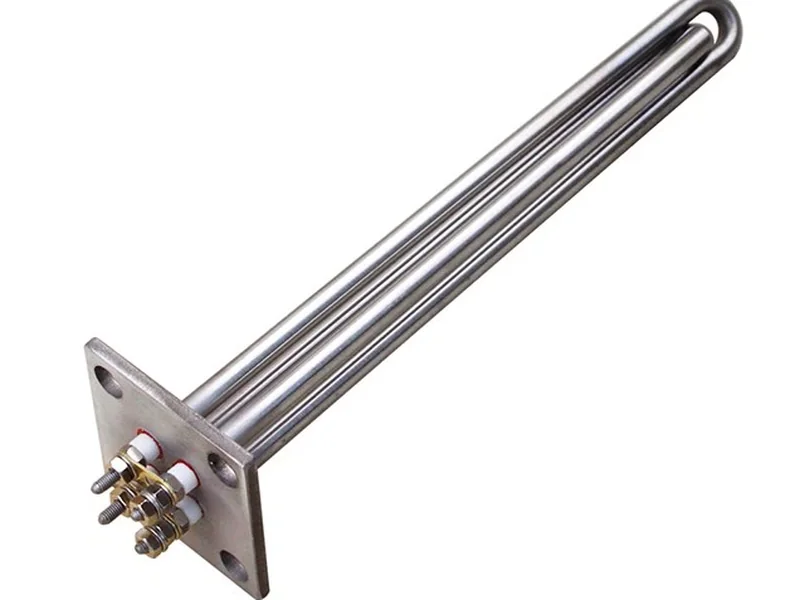
Downtown Charleston's peninsula holds a surprising number of electric water heaters — in carriage-house apartments, renovated kitchens, and homes where gas was never extended or where owners chose electric for simplicity. These heaters live in the peninsula's characteristic tight spaces: under-piazza utility areas, basement rooms, closets carved from 19th-century floor plans. Their heating elements — the upper and lower resistive loops that convert 240-volt electricity into hot water — face a distinctive downtown gauntlet: humid air rising off a high water table, aging electrical panels in historic homes, and tanks that in some cases have served for decades. When an element fails, the peninsula notices fast: no hot water in a house with guests, a breaker tripping in a 100-year-old panel, lukewarm water that never recovers. Our technicians replace heating elements across the 29401 with historic-home care — safe electrical procedure, correct-spec parts, and full system verification.
Electric Heaters in Historic Homes: The Downtown Picture
The 29401's electric water heaters are a study in adaptation. Many serve spaces gas never reached — carriage-house apartments over historic stables, garden-level rentals, renovated dependencies — while others replaced gas units when owners simplified. They occupy the peninsula's leftover spaces: low basement rooms with stone or brick walls that weep moisture, under-stair closets, utility corners of piazzas. These environments are hard on electrical components: constant dampness corrodes element terminals and thermostat contacts, and poor ventilation traps the heat that shortens component life.
Aging electrical infrastructure is the downtown wildcard. Historic homes carry panels from every era — some modern 200-amp service, others 60-amp fuse boxes or early breaker panels with limited capacity. A water heater's elements draw serious current (4,500 watts at 240 volts is nearly 19 amps), and we verify the circuit, breaker, and wiring condition as part of every element call. An element failing repeatedly can signal a loose connection or undersized circuit rather than bad elements — and replacing elements without addressing the electrical cause is futile. Our diagnosis includes the panel and circuit, not just the tank.
Charleston Water System's supply — about 61 ppm hardness, roughly 3.6 grains per gallon — is relatively gentle on elements compared to well country. Downtown element failures skew toward age, moisture corrosion, and electrical issues rather than sediment burial. That changes the preventive conversation: less about flushing (though still worthwhile), more about ventilation, connection integrity, and panel capacity.
Diagnosis: Elements, Thermostats, or the Electrical System
Downtown element calls get the full electrical diagnostic because the failure could live in three places. At the tank: element resistance tested with a multimeter (a healthy 4,500W element reads ~12-13 ohms; failed reads open or shorted), thermostats tested for calibration and switching, high-limit switch checked. At the circuit: breaker condition, wire gauge and connection tightness at the heater's junction box, voltage verified under load. At the panel: capacity, breaker age, signs of overheating.
What we find in the 29401: elements failed from simple age and moisture corrosion; thermostats drifted out of calibration after decades; and — more often than in newer areas — electrical causes: corroded wire connections at the heater dropping voltage and cooking elements, tired breakers tripping under normal load, occasionally an undersized circuit from a long-ago installation. Each has a different fix, and the multimeter plus visual inspection sorts them definitively.
Symptom reading still applies: no hot water points upper; fast-fading hot water points lower; tripping breaker or popped reset points at overheating or electrical fault; rusty water points at anode and tank condition. We combine the symptom history with the measurements and show you the conclusion — in a historic home where every repair competes with ten other old-house needs, the diagnosis has to earn its keep.
Replacement With Historic-Home Care
Element replacement in a peninsula home runs the full safe procedure with historic-space adaptations. Power off at the breaker — located, sometimes, in a panel two floors from the heater — verified dead at the unit with tester and multimeter. Access panels opened in tight quarters; wiring disconnected and documented; tank drained below the service point. The old element unthreads and the port is cleaned; the new element matches wattage, voltage, and type exactly, with a new gasket always.
Where downtown jobs differ is in the companion electrical attention. Corroded terminals get cleaned or renewed; questionable wire connections get remade properly; if the circuit or breaker shows problems, we flag them clearly with a recommended next step — we do not perform panel upgrades, but we will not reconnect a heater to a circuit we believe is unsafe without telling you exactly why. Thermostats and the high-limit switch are tested while open, and marginal ones are replaced rather than left to fail next month.
The anti-dry-fire sequence is rigid: tank refilled completely, air purged through hot taps until flow is solid, then and only then power restored — an energized element in air dies in seconds. Final verification cycles both elements through the thermostats, confirms the high-limit holds, tests the relief valve, and sets 120 degrees. The work area — often a finished historic interior — is protected beforehand and left spotless. Documentation of diagnosis, parts, and test results goes to you for the house file.
Keeping a Peninsula Electric Heater Healthy
Downtown's maintenance priorities differ from the suburbs'. Ventilation and moisture control lead: basement and under-piazza installations need airflow that prevents the constant dampness corroding terminals and contacts — a small vent fan or simply unblocking existing vents changes the environment measurably. Keep the heater's electrical connections dry and accessible, not buried behind storage.
Electrical vigilance is the historic-home habit: if breakers feel warm, if lights dim when the heater cycles, if the panel shows any sign of heat discoloration — call an electrician, not just us. Water heater elements are often the canary for panel problems, and the panel is the house's electrical heart. We flag what we see during element calls, but panel work belongs to a qualified electrician — and we will say so plainly rather than improvising.
The water-heater basics still apply: annual flushing (Charleston's water is gentle but not sediment-free), thermostats at 120 degrees, anode checks every few years, and prompt response to symptoms — lukewarm water, tripping resets, rusty tint. In a peninsula home where the heater serves guests, rentals, or a busy household, reliability is worth the small maintenance investment. And as always: a tripping breaker or burning smell is an immediate call, not a wait-and-see.
Local Insight
The 29401 is the Charleston peninsula south of the Crosstown — South of Broad, the French Quarter, Harleston Village, Cannonborough, Elliottborough, the East Side — where the housing stock runs from the 1700s to the early 1900s and every system is a retrofit. Electric water heaters here serve carriage-house apartments, basement rentals, and homes where gas was never extended, tucked into under-piazza spaces, stone basement rooms, and closets carved from historic floor plans. Charleston Water System supplies the peninsula with relatively soft water (~61 ppm hardness), so sediment is a minor player — but moisture, aging electrical panels, and tight installations dominate.
Element service downtown is as much electrical as plumbing: 60-amp fuse boxes and early breaker panels still exist alongside modern 200-amp service, and a heater's 19-amp draw exposes every weakness in an old circuit. Corroded terminals in damp basements, tired breakers tripping under normal load, undersized wiring from long-ago installs — these cause element failures that new elements alone cannot fix. Our 29401 element service is built for that reality: full electrical diagnosis including panel and circuit assessment, exact-spec parts with new gaskets, moisture-aware installation care, and honest referrals to electricians when the panel — not the heater — is the problem. In historic homes, the heater is only as healthy as the electricity feeding it.