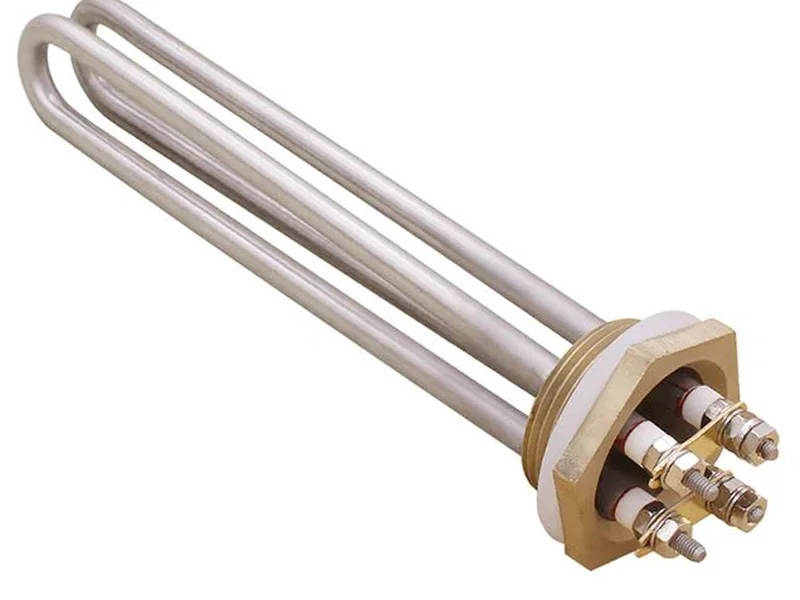
Out along Highway 17 North in Awendaw, electric water heaters do heavy duty — and they do it on well water. Most homes in the 29429 ZIP draw from private wells carrying iron and minerals that municipal customers never see, and that water writes the life story of every heating element in the area. An electric water heater's elements — typically an upper and a lower, each a 4,500-watt loop of metal sheathed against the water — convert electricity directly into heat. When well-water sediment blankets the lower element, it overheats, scales over, and burns out; when the upper element goes, the whole tank goes cold. The symptoms are unmistakable once you know them: water that never gets fully hot, a breaker that keeps tripping, the little red reset button popping out. Our technicians replace heating elements across Awendaw with well-water-aware service — correct wattage and voltage, new gaskets, and the sediment assessment that prevents the next burnout.
How Heating Elements Work — and How Well Water Kills Them
A standard residential electric water heater carries two heating elements: an upper element near the top of the tank and a lower element near the bottom, each typically rated 4,500 watts at 240 volts. They never fire simultaneously — the upper thermostat heats the top of the tank first for quick recovery, then hands off to the lower thermostat and element for the bulk of the water. Each element is a resistive metal loop sealed inside a protective sheath; electricity flows through the loop, the loop glows hot, and the sheath transfers that heat to the surrounding water. Simple, efficient, and utterly dependent on staying submerged and reasonably clean.
Awendaw well water attacks both requirements. Iron and dissolved minerals precipitate out of heated water and settle as sediment, and the lower element sits directly in the deepest part of that sediment bed. The sediment insulates the element's sheath from the water it is trying to heat — so the loop inside runs hotter and hotter trying to push heat through the scale blanket, until the sheath fails or the loop burns through. This is the classic lower-element burnout: lukewarm water, long recovery times, then the high-limit reset tripping as the overheated element drives temperatures erratic.
Iron adds a second failure mode unique to well country. Iron sediment is denser and more insulating than ordinary calcium scale, and it accelerates anode rod consumption — which, once the anode is gone, lets the tank itself start corroding. When we replace an Awendaw element, we assess the sediment and the anode together, because an element swap on a tank with a dead anode and inches of iron sediment is a repair with an expiration date. Honest service means showing you the whole picture.
Reading the Symptoms: Which Element Failed
Electric heater symptoms point at specific failures once you know the code. No hot water at all, with the breaker fine and the reset button not tripped: the upper element or upper thermostat has usually failed — nothing heats the top of the tank, so nothing usable comes out. Some hot water that runs out fast and never fully recovers: the lower element is down — the upper element heats its small zone, then hands off to a dead lower element and the tank never finishes the job. Lukewarm water that never reaches the thermostat setting: either element scaling over, or a thermostat losing calibration.
Breaker tripping or the red high-limit reset button popping out points at overheating — very often a lower element buried in sediment, running hot enough to trip the energy-cut-off. Rusty or discolored hot water is a different signal: usually the anode rod exhausted and the tank beginning to corrode, sometimes with a failing element contributing debris. Rumbling or popping during heating is sediment boiling — the kettle sound of water trapped under scale flashing to steam — and it always means the lower element is suffering.
Our diagnostic visit tests rather than guesses: power verified off at the breaker, element resistance measured with a multimeter (a good 4,500W element reads around 12-13 ohms; an open or shorted one reads infinite or zero), thermostats tested, high-limit switch checked. We identify exactly which component failed before quoting — because replacing the lower element when the upper thermostat is the problem helps no one.
The Replacement Visit: Safe Electrical Work, Done Right
Heating element replacement is electrical work on a 240-volt appliance, and it starts with absolute power safety: the breaker is switched off, locked or tagged, and verified dead with a non-contact tester and a multimeter at the heater. There is no casual step here — 240 volts in a damp utility space demands full procedure. With power confirmed off, we drain the tank below the element being replaced (fully for a lower element), remove the access panels and insulation, disconnect the element wiring, and unthread the old element — screw-in or bolt-flange type, matched by the replacement.
The new element matches the original specification exactly: same wattage, same voltage, same physical type. Installing a higher-wattage element than the circuit and thermostats are rated for is a fire hazard; installing the wrong voltage destroys the element immediately. We also replace the gasket — reusing an old gasket is the most common cause of post-repair drips — and inspect the thermostat and high-limit switch while the panels are open, since these components age together.
Then the critical step that destroys more DIY elements than any other mistake: the tank must be completely full of water and purged of air before power is restored. An element energized in air — dry-fired — burns out in seconds, literally. We refill the tank fully, open hot taps to purge air, verify solid water flow, and only then restore power. Final verification includes checking both elements' operation through thermostat cycling, confirming the high-limit holds, testing the temperature-pressure relief valve, and setting thermostats to 120 degrees. Hot water restored the same visit, with the sediment findings explained.
Preventing the Next Burnout on Well Water
On Awendaw well water, element life is a maintenance outcome, not a lottery. Annual tank flushing is the dominant habit: draining the sediment bed yearly keeps the lower element in contact with water instead of scale, which is the difference between a 6-year element and a 12-year one. We demonstrate the flush during our visit — it takes minutes with a hose once you know the valve sequence — and we can perform it as a maintenance service.
Water treatment deserves an honest conversation for the hardest wells. A whole-house sediment filter catches the particulate iron before it reaches the heater; for dissolved iron and hardness, a softener or iron filter changes the water chemistry that drives scale. These are investments, and we will tell you plainly whether your well's water justifies them — some Awendaw wells are moderate and flushing suffices; others are severe enough that treatment pays for itself in appliance life across the whole house, not just the heater.
The supporting habits: keep thermostats at 120 degrees — hotter settings accelerate scale formation and scorch sediment onto elements faster; check the anode rod every few years, since well water consumes anodes aggressively and a dead anode means the tank corrodes next; and call at the first symptom — lukewarm water, tripping reset — rather than running a struggling element until it fails catastrophically. Early element replacement is a modest repair; a burned-out element that has been arcing can damage the thermostat and wiring, turning modest into expensive.
Local Insight
Awendaw's 29429 is well country — the Highway 17 North corridor toward McClellanville, the roads edging the Francis Marion National Forest, and the marsh-side communities where municipal water never reached. Private wells are the standard, and Lowcountry well water carries the iron and mineral load that defines appliance life here: heavier sediment, faster anode consumption, and the distinctive rusty tint that longtime residents recognize. Homes range from raised houses on wooded lots to older farmhouses, with electric water heaters in crawlspaces, utility rooms, and carports.
That well-water reality is the entire story for heating elements in Awendaw. Municipal-water element life — 8 to 12 years — is the ceiling here, not the norm; unflushed tanks on hard wells burn through lower elements in half that time. Iron sediment is denser and more insulating than ordinary hardness scale, so the overheating failure mode hits harder and the anode dies faster, which means every element call is also a tank-health assessment. Our Awendaw element service is built around that pattern: resistance-test diagnosis that identifies the exact failed component, correct-spec replacements with new gaskets, sediment and anode assessment on every visit, and straight talk about whether flushing suffices or the well justifies treatment. Well water is manageable — it just does not forgive neglect.