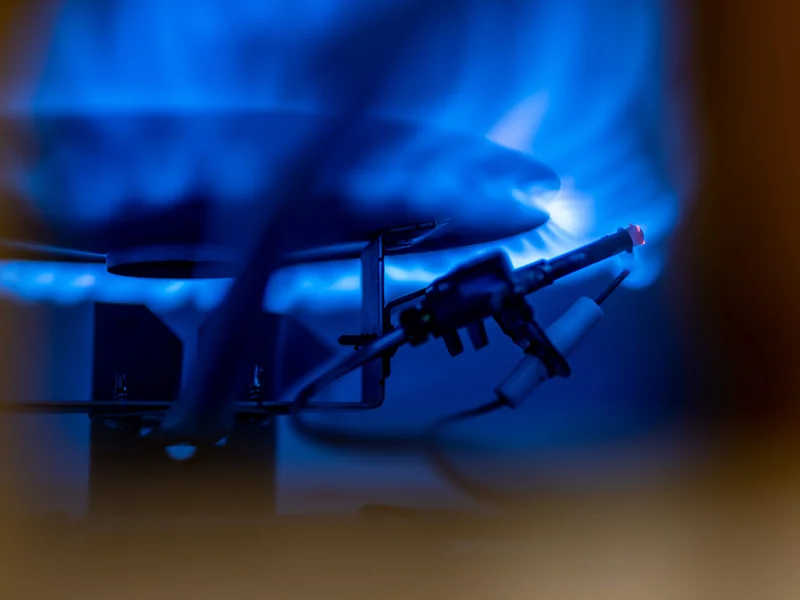
Ravenel is small-town rural Charleston County — the US-17 corridor town surrounded by farmland, timber, and the back roads running toward Hollywood, Adams Run, and the Edisto. In the 29470 ZIP, homes are farmhouses on family land, manufactured homes on acreage, and the town's own modest grid of older streets — and gas water heaters here burn propane from exterior tanks, because natural gas mains never reached this far out. The gas control valve on a Ravenel heater works in sheds, carports, well houses, and crawlspaces across open country, facing humidity, dust, well-water sediment, and weather-exposed regulators. When it fails — pilot dropping out, temperature drifting, then no hot water — the household is miles from the next technician. Our service covers Ravenel with propane-system expertise, stocked parts for one-visit repairs, and verification rigorous enough for homes far from town.
Small-Town Rural: The Ravenel Service Picture
Ravenel's identity is the US-17 small town ringed by working land — and that shapes every service call. Distances are real: a technician covering Ravenel builds travel into the schedule and stocks the truck for propane systems, because a second trip for a forgotten fitting costs everyone. Homes range from the town's older streets — modest homes from the mid-20th century with heaters in utility rooms and crawlspaces — to farmhouses and manufactured homes on surrounding acreage with heaters in sheds and well houses. Each setting stresses valves differently, but all of them run propane.
Propane logistics matter here in ways town customers never consider. Tanks sit at varying distances from homes, regulators weather in the open, and long gas lines run through crawlspaces or buried along driveways. When a valve call comes in, our diagnostic includes the fuel path from the tank: tank level, regulator condition under load, sediment trap, then the valve itself. A regulator weakened by years of weather exposure produces short-cycling and yellow flame identical to valve failure — and the fix belongs to the propane supplier, not to a parts order. We find out which it is before quoting.
Well water is the standard off the town grid, bringing iron and minerals that build heavy tank sediment. That sediment blankets the burner zone, forces over-firing, and bakes the valve's thermostat components years early — the hidden driver behind many Ravenel valve failures. We assess sediment on every visit, because a new valve on a tank choked with scale is a short-lived repair.
Symptoms and the Country-Mile Safety Rules
Valve failure follows its arc: temperature drift as the thermostat loses calibration, pilot instability with relights holding for shorter intervals, then complete failure — no pilot, no burner, no hot water. In Ravenel's dusty, humid installations, the middle stage often involves a fouled pilot orifice or corroded thermocouple connection alongside the weakening valve; our diagnosis separates environmental causes from part failure so the repair addresses both.
Safety protocol in spread-out country deserves emphasis because help is farther away. Propane odor — rotten eggs, noticed low since propane sinks — means leave the building immediately, no switches, no phones inside, no relighting attempts; call 911 and your propane supplier from a safe distance. Outbuildings get casual treatment too often — a shed with pooled propane is as dangerous as any enclosed space. Treat every gas odor as an emergency until professionals clear it.
Soot is the second absolute: black staining at the burner door or flue means shut the heater down and call us. Incomplete combustion elevates carbon monoxide, and in a shed or well house the gas accumulates fast. Farm chemical storage near heaters compounds the hazard — chlorine and solvent fumes corrode gas components and flammable vapors near a burner are a fire risk. If your heater shares a shed with farm supplies, relocating the chemicals is as important as the valve repair, and we will say so directly.
One-Visit Repair: How We Work in Ravenel
We schedule Ravenel calls for one-visit completion: diagnosis in 20-30 minutes, then the safe replacement sequence — gas off at the heater service valve, pilot verified out, tank drained below the valve port, connections separated, burner drawn out, old valve unthreaded with port threads cleaned and inspected. The truck stocks propane-rated valves in common sizes plus thermocouples, pilot assemblies, and rural fittings, because the round trip for a part is measured in real miles out here.
The new valve is propane-rated and matched to your BTU input and model — fuel confirmed from the data plate and regulator setup, never assumed. Gas-rated sealant and correct torque secure the new valve, and the burner assembly is set so the pilot flame envelops the thermocouple tip without gaps. In dusty installations we clean the pilot assembly and burner as part of the job rather than reconnecting fouled components to a new valve. The sediment trap is cleared; disturbed piping is inspected and left to a safe standard.
Verification runs long on propane, unapologetically: every joint leak-tested with solution and a combustible-gas detector with low-area sweeps for propane pooling, manifold pressure set to data-plate spec and confirmed under firing, burner cycled for clean blue combustion and correct thermostat operation, flue draft checked, relief valve tested, thermostat to 120 degrees. We walk you through the results, the tank's sediment condition, the regulator's health, and the maintenance rhythm — annual flushing, vegetation clearance around tank and regulator, storm-season shutoff knowledge — that keeps a country propane system reliable. Hot water restored the same visit.
Storm Season on Open Land
Ravenel's open country takes weather directly — tropical systems sweep across the farmland with full force, and low areas along the creeks flood. Before hurricane season, know your heater's gas shutoff location and confirm it turns; keep vegetation cut back from the propane tank, regulator, and any exterior gas piping so all of it can be inspected and serviced; and secure or note anything that could become a projectile near the tank.
The submersion rule is absolute: any gas control valve that has been underwater must be replaced, never dried and reused. Floodwater destroys the internal safety shutoff invisibly. If storm water reaches your heater — in a shed, a crawlspace, a low utility room — call us before relighting anything. We replace the valve and assess burner, flue, and tank as a set, because flood damage is never limited to one component.
Between storms, the country maintenance program is simple: annual tank flushing against well-water sediment, periodic checks that the regulator area stays clear and undamaged, chemical storage kept separate from the heater's air, and a carbon monoxide detector where people sleep — tested monthly. A valve that fails from neglect costs the same as one that fails from age, but only the second one is unavoidable. In farm country, a little attention goes a very long way.
Local Insight
Ravenel's 29470 is the US-17 town in rural Charleston County — a small commercial crossroads surrounded by farmland, timber tracts, and the rural roads running toward Hollywood, Adams Run, and the Edisto River basin. Housing spans the town's modest mid-century streets, farmhouses on family land, and manufactured homes on acreage. Water heaters follow the rural pattern: utility rooms, sheds, well houses, carports, and crawlspaces — installations that breathe open-country air and weather. Propane is effectively the only gas option; natural gas mains never built out here.
That makes Ravenel a full rural-propane service environment: exterior tanks with weather-exposed regulators, long gas lines, well water heavy with iron and minerals, dust and agricultural chemical fumes in shared sheds, and real distances to the nearest technician. Valve failures here blend every rural accelerant — sediment overheating thermostats, dust fouling pilots, regulator wear mimicking valve symptoms, humidity corroding connections. Our Ravenel service is built for the complete picture: stocked trucks for one-visit repairs, full fuel-path diagnosis from tank to burner, environmental causes addressed alongside the part, and verification thorough enough that a callback — expensive in miles for everyone — is not needed.