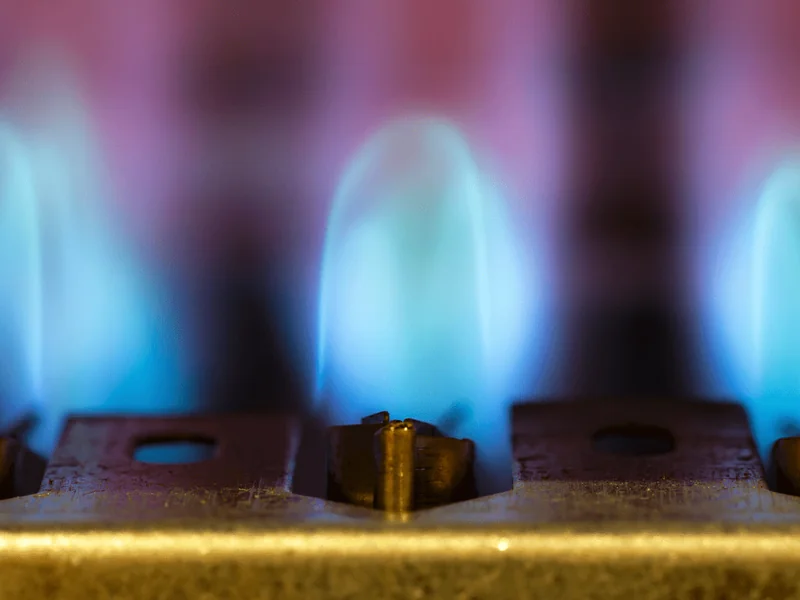
Huger is deep rural Berkeley County — the Cainhoy peninsula and the roads running toward the Francis Marion National Forest, where homes sit on timber land and large wooded lots far from any gas main. In the 29450 ZIP, a gas water heater almost certainly burns propane from an exterior tank, and it likely lives in a carport, utility shed, or crawlspace exposed to open-country weather. The gas control valve on that heater — metering fuel to the burner, proving the pilot flame, shutting down on failure — works in one of the toughest environments in our service area: humid forest air, well-water sediment, and long distances to the nearest service. When the valve fails, the progression is familiar: pilot trouble, temperature drift, then cold water. Our technicians serve Huger with full propane-system expertise, correct fuel-rated parts stocked for rural calls, and verification thorough enough for the homes farthest from town.
The Forest-Edge Environment and Your Gas Valve
Huger sits against the Francis Marion National Forest, and that setting defines how gas appliances age here. Forest humidity is relentless — the air under a raised home on a wooded lot near Huger stays damp for days after rain, and condensation forms on the cool metal of the gas valve and burner assembly daily through the warm months. That constant wet-dry cycling pits the valve body, oxidizes the thermocouple connections that carry the pilot's millivolt signal, and rusts burner assemblies from the outside in. Valves in this environment commonly fail years ahead of their rated life.
Well water compounds the damage from inside. Huger wells draw from aquifers carrying iron and minerals that lay down heavy sediment in water heater tanks. That sediment blankets the burner zone, insulating the tank bottom so the burner fires longer and hotter to push heat through — and the valve's thermostat probe, sitting in that overheated zone, endures temperature stress it was never designed for. We regularly find Huger valves with heat-fatigued thermostat mechanisms on tanks that have never been flushed. The sediment is the disease; the valve failure is the symptom.
Wildlife and vegetation add a rural wrinkle suburban technicians never see. Vegetation growing against exterior propane regulators and gas piping traps moisture and hides damage; insect nests in burner compartments and flues restrict combustion air and draft. Part of our Huger service is simply looking at the whole installation with rural eyes — clearing what should be clear, noting what the forest is doing to the equipment, and advising on the simple clearances that keep the system breathing.
Propane From Tank to Burner: The Full-Path Check
Distance defines propane service in Huger. The tank may sit a hundred feet from the house, the line running through woods or buried along a driveway, with the regulator exposed to weather at the tank. When a valve call comes in, we check the entire fuel path, not just the heater — because a problem anywhere along that path mimics valve failure at the burner. The diagnostic sequence: tank level and regulator condition, inlet pressure at the heater under firing load, sediment trap condition, then the valve itself via manifold pressure and flame-proving tests.
Regulators are the most commonly missed culprit. A two-stage regulator system weathers years of forest humidity and temperature swings, and when the second stage weakens, inlet pressure sags under burner load — producing short-cycling, yellow flame, and lukewarm water identical to a failing valve. Our manometer readings under load separate regulator problems from valve problems definitively. If the regulator is at fault, we document it and direct you to your propane supplier; installing a valve against a starving supply helps no one.
Long gas lines bring their own issues: moisture accumulation in low spots, pipe scale shedding into the sediment trap, and in older installations, piping materials or routing that would not meet current practice. We inspect what we disturb and clear the drip leg as standard practice. On a rural propane system, the valve replacement is only as reliable as the fuel delivery behind it, so the full-path check is not an upsell — it is the job done correctly.
Recognizing Failure — and Respecting Gas Safety
Valve failure in Huger follows the standard progression with a rural accent. Temperature drift comes first — the thermostat losing calibration so water runs unpredictable. Then pilot instability: relights that hold for shorter intervals until the pilot will not stay lit at all. Forest humidity accelerates the middle stage by corroding the pilot assembly and thermocouple connections; well-water sediment accelerates it from inside by overheating the thermostat. By the time there is no hot water, the valve has usually been failing for weeks — weeks in which an earlier call would have meant a planned repair instead of an emergency.
The emergency protocols are non-negotiable. Propane odor — rotten eggs, possibly noticed low since propane sinks — means leave the building, no switches, no phones inside, no relighting attempts; call 911 and your propane supplier from a safe distance. In Huger's spread-out landscape, neighbors may be far and response times longer, which makes immediate evacuation and calling more important, not less. Soot — black staining at the burner door or flue — means shut the heater down and call us; incomplete combustion elevates carbon monoxide, and in a shed or utility room the gas accumulates quickly.
Storm season deserves specific planning out here. Forest-edge homes lose power and take tree damage in tropical systems, and low areas flood. Know your heater's gas shutoff location before hurricane season, keep vegetation cut back from the propane tank and regulator so they can be inspected and serviced, and remember the submersion rule: any gas valve that has been underwater gets replaced, never dried and reused. Floodwater destroys the internal safety mechanism invisibly — there is no field test that can certify a submerged valve safe.
Replacement Day: What to Expect at a Rural Huger Home
We schedule Huger calls with travel time built in and arrive stocked for propane systems — common valve models, thermocouples, pilot assemblies, and the fittings rural jobs tend to need, because a second trip out here costs everyone. Diagnosis runs 20 to 30 minutes: your description of the failure, thermocouple millivolt output, inlet and manifold pressure readings, pilot and burner inspection, flue draft check, and the fuel-path assessment from tank to heater. We show you the readings and explain the conclusion before any work is authorized.
Confirmed valve failure moves through the safe sequence: gas off at the heater service valve, pilot verified out, tank drained below the valve port, connections separated, burner assembly drawn out, old valve unthreaded with port threads cleaned and inspected. The new valve is propane-rated and matched to your BTU input and model — fuel type confirmed from the data plate and regulator setup, never assumed. The valve goes in with gas-rated thread sealant at proper torque, the burner is repositioned so the pilot flame fully bathes the thermocouple tip, and the pilot assembly gets cleaned of forest dust and debris as part of the work.
Verification is the longest phase: every joint leak-tested with solution and a combustible-gas detector including low-area sweeps for propane pooling, manifold pressure set to data-plate spec under firing, burner cycled for clean blue combustion and correct thermostat operation, flue draft verified, temperature-pressure relief valve tested, thermostat set to 120 degrees. We review everything with you — the valve, the tank's condition and sediment level, the regulator's health, and the maintenance rhythm (annual flushing, vegetation clearance, storm-season shutoff knowledge) that keeps a forest-edge propane system reliable. Hot water restored the same visit, documentation in hand.
Local Insight
Huger is the Cainhoy peninsula and the forest-edge country of eastern Berkeley County — Highway 41 and 402 running through timber land toward the Francis Marion National Forest, with homes on large wooded lots, family compounds, and the occasional new build on cleared acreage. The 29450 ZIP is among the most rural in our service area: no gas mains to speak of, well water as the standard, and water heaters installed in carports, sheds, and crawlspaces that breathe forest air year-round. Distances are real — a service call here covers ground.
That remoteness shapes everything about gas valve work in Huger. Propane is effectively the only gas option, delivered to exterior tanks with regulators weathering in the open. Well water runs heavy with iron and minerals, building the tank sediment that overheats valve thermostats. Forest humidity corrodes pilot assemblies and burner components ahead of schedule. And when something fails, the homeowner is far from the next available technician — which is why our Huger service stocks propane parts on the truck, checks the full fuel path from tank to burner, and treats verification as the critical phase. A callback out here is expensive for everyone, so the job gets done right the first time: correct fuel-rated valve, clean pilot assembly, clearances restored, every joint tested, and the homeowner briefed on the maintenance that prevents the next failure.