Daniel Island is the Lowcountry's master-planned showcase — developed from the mid-1990s onward with villages, parks, and homes built to modern codes on slab foundations. You might not expect gas control valve failures in such a new community, but the island's first generation of water heaters is now 15 to 25 years old, squarely in the window where control valves wear out. The symptoms are the same as anywhere: a pilot that drops out, water that will not hold temperature, a burner that short-cycles. What differs on Daniel Island is context — most villages have Dominion Energy natural gas, heaters sit in garages or interior utility closets rather than crawlspaces, and HOA standards mean installations are generally clean and accessible. Our technicians replace gas control valves across the 29492 ZIP with full diagnosis first, fuel-matched parts, and the leak testing and verification that gas work demands.
Why Even Newer-Community Heaters Lose Their Valves
Daniel Island's homes are young by Lowcountry standards, but water heater years are not the same as house years. A heater installed when a village was built out in 2000 or 2005 has now cycled its gas valve's thermostat tens of thousands of times. The valve's internal components — the diaphragm that meters gas, the safety magnet that holds the pilot, the thermostat mechanism — are wear items with a realistic life of 8 to 12 years in Lowcountry conditions, sometimes stretching further in clean garage installations. When the island's first big wave of heaters hit that age, valve failures started arriving on schedule.
Garage installations, the Daniel Island norm, are actually kinder to valves than crawlspaces: better ventilation, less standing moisture, easier service access. But garages still breathe outdoor air, and the island's marsh-adjacent humidity works on burner assemblies steadily. We see pilot orifices with corrosion buildup, thermocouple connections with green oxidation, and burner rust — all of which stress the valve's safety circuit. The island's water, supplied through Mount Pleasant Waterworks' Daniel Island service, is moderately hard surface water; without periodic flushing, sediment still accumulates and still forces burners to overwork, cooking valve thermostats from below.
There is also the replacement-cycle reality: many island homeowners are now facing their heater's second major repair — the first was perhaps a thermocouple or an anode rod — and wondering whether the valve is worth it. Our answer depends on the tank. A 15-year-old tank with a sound shell, no rust, and a clean flue is a fine candidate for a valve replacement that buys five or more years. A tank showing rust at the base or around fittings is telling you the end is near, and we will say so plainly with the evidence in front of you.
Diagnosis Before Parts: Our Standard on the Island
On Daniel Island we hold the same line as everywhere: diagnose first, quote second. The visit begins with your description of the failure — when the pilot started dropping, whether temperature has been drifting, any odors or soot. Then we measure: thermocouple or thermopile millivolt output under load, inlet and manifold gas pressure with a manometer, and a thorough visual inspection of the pilot assembly, burner, and flue. Island heaters are usually accessible and well-documented, which makes diagnosis efficient — data plates are legible, installations follow modern practice, and we can get clean readings quickly.
Common findings that are not the valve: thermocouples at end of life, pilot orifices restricted by corrosion, and — more often than homeowners expect — condensate or debris in the flue affecting draft. Electronic-ignition units (increasingly common in island homes built after 2010) add their own suspects: igniters, flame sensors, and control boards, each with distinct failure signatures we test for. A valve recommendation comes only when the evidence isolates it: good flame-proving signal, correct inlet pressure, clean pilot and burner, yet the pilot will not hold or the burner will not regulate.
We explain the findings in plain language before any work is authorized. If the fix is a thermocouple or a cleaning, you pay for a thermocouple or a cleaning. Our business on Daniel Island is built on repeat calls and neighbor referrals, and nothing earns those like a technician who talks you out of a part you do not need.
The Replacement Procedure, Done to Standard
Confirmed valve failure moves to a strict replacement sequence. Gas off at the heater's service valve with the pilot verified out. Tank drained below the valve port — the valve threads into the tank wall, so water must clear that point. Gas union, pilot tube, and thermocouple lead disconnected; burner assembly drawn out; old valve unthreaded with tank port threads cleaned and inspected. Island tanks are generally younger and the threads cooperate, but we still work them with care.
The replacement valve is matched on three points: fuel type (natural gas for nearly all of Daniel Island), the tank's BTU input rating, and model-specific thread and shank dimensions. Gas-rated thread sealant, torqued to specification — no shortcuts, no universal-fit compromises. The burner assembly is reseated with the pilot positioned to fully engulf the thermocouple tip, the small alignment detail that determines whether the pilot stays lit for years or drops out next month.
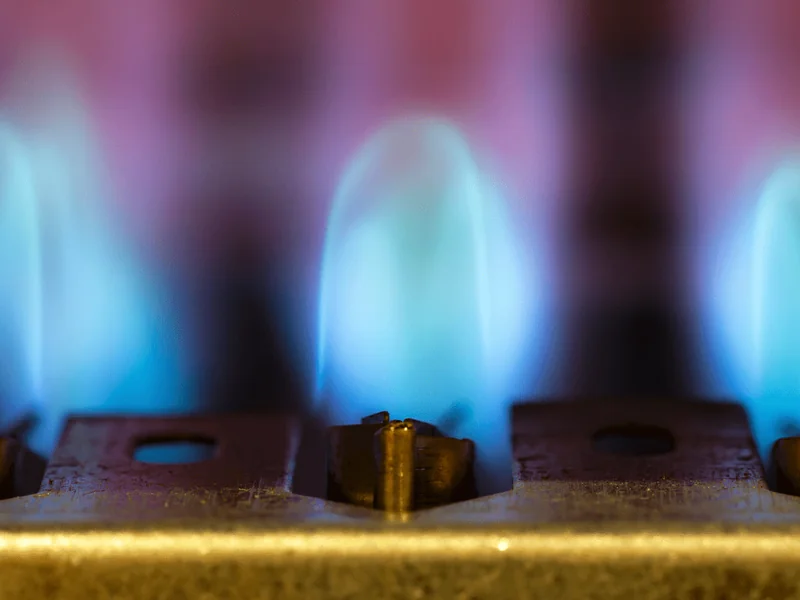
Verification is the longest phase and the most important. Every disturbed joint is leak-tested with detection solution and confirmed with a combustible-gas detector. Manifold pressure is set to the data plate specification and verified under firing. The burner runs through complete cycles while we confirm clean blue combustion, accurate thermostat cut-in and cut-out, and proper flue draft. The temperature-pressure relief valve is tested, the thermostat set to 120 degrees, and the work area left clean — a standard your HOA neighbors would approve of. Hot water is restored the same visit, with the diagnosis and test results documented for your records.
Gas Safety and Storm Readiness on the Island
Daniel Island's elevation and modern drainage handle most weather well, but the island is still Lowcountry — surrounded by marsh and rivers, squarely in hurricane territory. Two safety habits matter here. First, know the smell of gas: mercaptan's rotten-egg odor is unmistakable, and the response is always the same — do not relight, do not flip switches, leave the building, and call 911 and Dominion Energy's gas emergency line from outside. Garage-installed heaters share air with the home, so a leak is never contained to the garage.
Second, know the flood rule. It takes significant water to reach an island garage heater, but tropical systems have done it in low pockets. Any gas control valve that has been submerged must be replaced — drying is not an option because floodwater destroys the internal safety shutoff invisibly. If storm water ever reaches your heater's burner compartment, call us before relighting; we assess the valve, burner, and flue as a set.
Day to day, keep a carbon monoxide detector on each level and test it monthly — a valve delivering incorrect pressure can elevate CO through incomplete combustion, and the detector is your only warning since CO has no odor. Flush the tank annually to control sediment, keep the garage area around the heater clear of stored paints and chemicals, and note where the heater's gas shutoff is before storm season. Modern homes with modern systems still reward the same old vigilance.
Local Insight
Daniel Island's story starts in the mid-1990s, when the master-planned community rose on former plantation land between the Cooper and Wando rivers. The villages — Daniel Island Park, Smythe Park, Codner's Ferry, and the downtown district — filled in waves from 1995 through the 2010s, which means the island's water heaters are now arriving at their first major component failures as a cohort. Construction here is slab-on-grade to modern code, heaters typically in garages or interior utility closets, and installations are generally clean, labeled, and accessible — the easiest service environment in our coverage area.
Natural gas from Dominion Energy serves most island villages, so fuel matching is straightforward and propane is rare. Water comes through Mount Pleasant Waterworks' island service — treated surface water of moderate hardness that still builds sediment without flushing. The island's particular valve-killers are subtler than in rural areas: marsh-adjacent humidity corroding pilot assemblies in garage air, sediment from years of unflushed tanks overheating valve thermostats, and simple age as the first heater generation crosses the 15-to-25-year mark. Our Daniel Island service is tuned to that reality — fast, clean diagnosis in accessible installations, honest guidance on valve-versus-replacement math for mid-life tanks, and workmanship that meets the standards of a community that notices details.