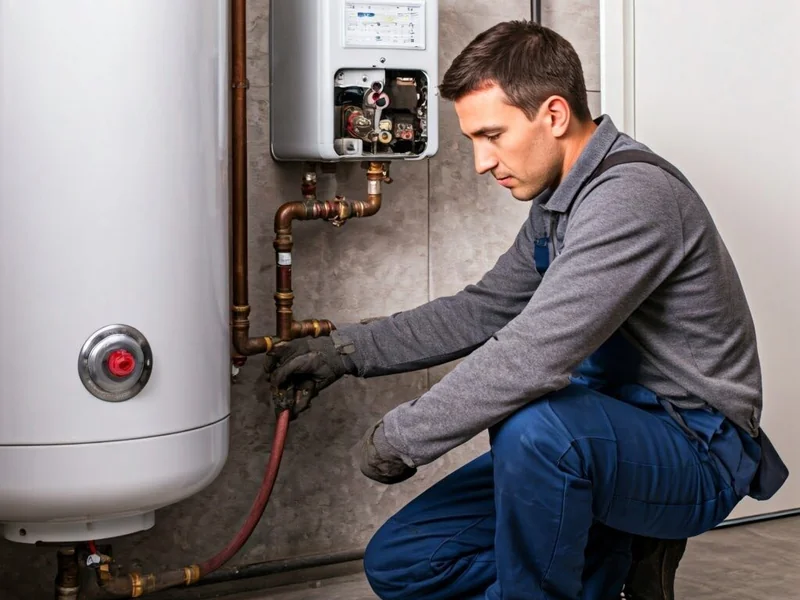
Your water heater doesn't experience the year the way you do — it feels it in sediment cycles, humidity swings, storm outages, and cold snaps. In Goose Creek, each season brings specific stresses: spring is the time to flush a winter's worth of mineral buildup before demand climbs, summer brings peak usage plus hurricane season and brutal humidity, fall demands a pre-winter tune-up as incoming water cools, and winter's occasional hard freeze threatens exposed pipes in crawlspaces and attics. Ignore the seasons and small problems compound — sediment hardens, pilots get dusty, expansion tanks quietly fail. Respect them and a twice-yearly routine keeps the heater healthy for its full lifespan. This guide maps out exactly what your water heater needs in each Lowcountry season, plus the year-round habits and vacation precautions that complete the picture.
Spring: The Annual Flush
Spring is maintenance season in the Lowcountry. Winter is over, and before summer demand hits, give the heater its yearly service:
- Flush the tank. Drain sediment through the drain valve until water runs clear. In Goose Creek's mineral-heavy water, a year's accumulation is significant.
- Test the TPR valve. Lift the lever briefly — water should flow, then stop cleanly.
- Check the drain valve itself. Confirm the handle turns freely; if it's seized, replace it now rather than during an emergency.
- Inspect around the base. Look for rust streaks, mineral deposits, or dampness that could signal a slow weep.
- Verify the thermostat is at 120°F. Adjust if someone cranked it up over winter.
A spring professional maintenance visit bundles the flush with an anode rod check, burner or element inspection, and pressure testing — the full annual physical for your heater.
Summer: Humidity, Demand, and Storms
Summer is the hardest season for Lowcountry water heaters:
- Peak demand. Warm incoming water means less heating per gallon, but household usage climbs — guests, kids home, more laundry. Sediment-baked tanks show their weakness now.
- Condensation confusion. Goose Creek's summer humidity makes cold-water pipes and tank jackets sweat. Learn the difference: condensation dries between cycles and appears broadly; a leak is persistent and localized. Wipe suspect areas and check back in an hour.
- Hurricane prep (June–November). Know your shutoffs. If evacuating ahead of a major storm, consider shutting off the heater's water and power/gas. After any flooding, don't re-energize a submerged heater — electric or gas — without professional inspection.
- Power surges. Summer thunderstorms knock out power and send surges through electric heaters. A whole-home or dedicated surge protector is cheap insurance for control boards and elements.
- Garage and attic heat. Installations in unconditioned spaces bake. Ensure ventilation is clear and nothing is stored against the unit.
Fall: The Pre-Winter Tune-Up
As temperatures ease, prepare for the season when incoming water cools and the heater works harder:
- Gas heaters: clean the burner compartment. Vacuum dust, lint, and spider webs; check the pilot orifice. Fall is peak season for pilot problems after a dusty summer.
- Test the expansion tank. Knock test plus a pressure check — thermal expansion stress rises as heating cycles intensify.
- Inspect venting (gas). Confirm the flue is clear, properly connected, and drafting. Birds and debris love flue caps.
- Check pipe insulation on exposed runs before the first cold snap.
- Review the anode rod if it's been 2–3 years — going into winter with a spent rod is asking for trouble.
Winter: Cold Snaps and Thermal Stress
Lowcountry winters are mild, but the occasional hard freeze is real — and it's when pipes burst:
- Protect exposed pipes. Insulate any water lines in unconditioned spaces (crawlspaces, attics, exterior walls). During a hard freeze, letting faucets drip keeps water moving.
- Don't crank the thermostat. Raising the tank temperature to compensate for cold incoming water accelerates scale formation and scalding risk. 120°F stays the right setting.
- Watch for thermal shock. Very cold incoming water hitting a hot tank stresses the steel. Properly functioning dip tubes and mixing reduce the shock — another reason fall maintenance matters.
- Keep the area clear. Holiday storage tends to pile up around garage heaters. Maintain clearance — especially around gas burners and vents.
- Listen for new noises. Rumbling or popping that appears in winter often means sediment hardened over summer is now flashing to steam under heavier cycling.
The Year-Round Habits
Regardless of season: glance at the heater monthly for new puddles, rust, or drips; know where your shutoffs are and confirm they turn; keep the area around the unit clear; and track the heater's age from its serial number. Heaters over 10 years old deserve a replacement plan before they make the decision for you — our water heater installation team can walk through options when the time comes.
Putting It on the Calendar
The simplest system: spring flush (DIY or pro), fall tune-up (pro), monthly glance (you). Tie the spring flush to something memorable — the start of daylight saving time, or your HVAC filter change. Tie the fall tune-up to the end of hurricane season. Two appointments a year and a monthly look are all it takes to keep a Goose Creek water heater healthy for its full lifespan.
Extended Absences: What to Do Before You Leave
Goose Creek homeowners who travel for weeks — snowbirds heading north, summer vacationers — should know the drill. For absences of more than a few days, turn the thermostat down to its lowest setting or to 'vacation' mode if your unit has one; there's no reason to keep 50 gallons at full temperature for an empty house. For trips of several weeks or more, consider shutting off the water supply to the heater (or the house main) entirely — a leak that starts while you're gone runs unchecked for the whole trip, and arriving home to that is a special kind of misery. If you're leaving during hurricane season with an evacuation order, shutting down water and power/gas to the heater is part of sensible storm prep. On return, check around the heater for any moisture before restoring normal operation, run the hot taps briefly to clear stagnant water, and reset the thermostat to 120°F.
Hurricane Season Prep for Your Water Heater
From June through November, Goose Creek homes live under the annual hurricane watch, and your water heater deserves a place in the storm plan. Before any named storm threatens: confirm you know where the cold-water inlet valve, the breaker or gas shutoff, and the main house shutoff are — label them if you have not already. If the heater sits in a garage or low-lying utility area prone to flooding, consider elevating it on a platform or adding flood barriers; submerged gas controls and soaked insulation never recover.
If an evacuation order comes, shutting off water and power or gas to the heater is sensible storm prep that prevents a leak from running unattended for days. When you return, inspect around the unit for moisture before restoring service, run hot taps briefly to clear stagnant water, and reset the thermostat to 120 degrees. Power surges after outages can also damage electronic ignition controls, so a post-storm check is cheap insurance. Call (833) 713-2101 after any major storm for a quick inspection — catching surge or flood damage early keeps a bad week from becoming a bad month.