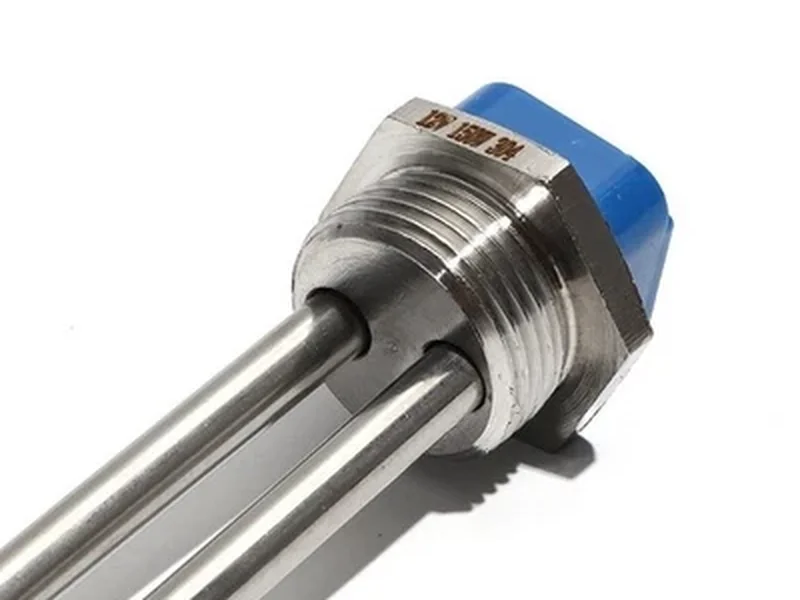
Your electric water heater has two heating elements working as a team — an upper and a lower, each with its own thermostat. They take turns: the upper heats the top of the tank first so you get hot water faster, then hands off to the lower to heat the rest. When one element fails, you don't lose hot water entirely — you lose enough of it to be miserable. Showers go lukewarm halfway through, the dishwasher underperforms, recovery takes forever, and the breaker may start tripping. In Goose Creek, hard-water sediment is the usual killer, settling on the tank floor and burying the lower element until it overheats and burns out. This guide covers the telltale signs of element failure, how technicians distinguish element trouble from thermostat trouble (they mimic each other), what professional replacement involves, the dry-fire mistake that destroys new elements, and how to prevent a repeat.
How Electric Elements Work (Briefly)
Most electric water heaters have two heating elements — an upper and a lower — each controlled by its own thermostat. They take turns: the upper element heats the top of the tank first (so you get hot water faster), then hands off to the lower element to heat the rest. When one element fails, you don't get zero hot water — you get some hot water, which is why element failure confuses so many homeowners.
The Classic Signs of Element Failure
- Hot water runs out much faster than it used to. The signature symptom. If the lower element fails, only the top third of the tank gets heated — you get a quick burst of hot water, then lukewarm. If the upper element fails, the lower still heats but recovery is slow and the top never gets fully hot.
- Water is lukewarm, never truly hot. A partially failed element or one coated in heavy scale can't bring the tank to setpoint.
- The breaker trips repeatedly. A shorted element draws excessive current. If the water heater breaker keeps tripping, a failed element is a leading suspect (never just keep resetting it — find the cause).
- No hot water at all with power confirmed on. Both elements rarely fail simultaneously, but a failed upper thermostat can cut power to the whole system, mimicking total element failure.
- Rust-colored hot water. A burned-out element can split open, exposing its inner material to the water. If rust appears alongside heating problems, suspect the element.
- Longer and longer recovery times. A gradual decline over months often means scale-coated elements working harder and harder until one gives up.
Why Elements Fail in Goose Creek
The same Lowcountry hard water that plagues every part of the tank is the #1 element killer. Sediment settles on the tank floor and buries the lower element; the element then overheats trying to push heat through the sediment blanket and burns out. Mineral scale coats both elements like insulation with the same overheating result. Other causes include dry-firing (power applied before the tank is full — instantly destroys an element), simple age, and power surges during storm season. Summer thunderstorms in the Lowcountry make surge-related failures a real seasonal pattern.
Element vs. Thermostat: Telling Them Apart
Element and thermostat failures produce similar symptoms, and thermostats are cheaper — so proper diagnosis matters. The pattern helps: if the reset (ECO) button on the upper thermostat keeps tripping, the thermostat may be failing to regulate, or an element may be shorted to ground and overheating the tank. A technician tests with a multimeter: continuity across the element (a good element reads a specific resistance; an open or shorted one reads wrong), and thermostat function under load. This is why a professional water heater repair diagnosis beats guessing — replacing the wrong part wastes both time and money.
What Replacement Involves
Element replacement is routine work for a technician:
- Power is shut off at the breaker and verified dead with a meter — non-negotiable safety step.
- The tank is drained below the element level (or fully, which allows a sediment flush at the same time — smart).
- The failed element is unthreaded, and the tank threads are inspected for corrosion.
- A new element of the correct wattage and voltage is installed with a fresh gasket. Wattage must match the heater's rating — the wrong element causes breaker trips or sluggish heating.
- The tank is refilled completely, air is bled, and only then is power restored. Powering an empty tank destroys a new element in seconds.
Many technicians replace both elements and both thermostats as a set on older heaters, since the labor overlaps and the surviving parts are living on borrowed time. During the same visit, it's worth having the anode rod checked — if hard water killed your element, it's been eating the rod too. Our heating element replacement service includes this kind of whole-tank assessment.
Prevention
- Flush annually. Keeping sediment off the lower element is the single best prevention.
- Consider a water softener if your water is particularly hard — it extends element life dramatically.
- Never restore power to a drained tank. If you've drained the heater for any reason, confirm it's full (steady water from a hot tap, no sputtering) before flipping the breaker.
- Use surge protection on the heater's circuit if your area sees frequent lightning — common enough in Lowcountry summers to justify it.
The Dry-Fire Mistake That Destroys New Elements
The fastest way to kill a heating element — new or old — is applying power to a tank that isn't completely full of water. An element exposed to air instead of water overheats in seconds and burns out; technicians call it dry-firing, and it's the most common cause of premature failure in freshly replaced elements. It happens most often after DIY maintenance: someone drains the tank for a flush or repair, finishes the work, flips the breaker back on, and doesn't realize air is still trapped inside. The rule is absolute — after any drain-down, open a hot-water tap and wait until water flows in a steady, sputter-free stream before restoring power. Then wait a few more minutes for good measure. If you've ever replaced an element only to have it fail within days, dry-firing is the prime suspect. Professionals verify full tanks as a matter of habit; make it yours too, and your elements will live their full natural lives.
Why Elements Work Harder in Goose Creek Homes
Electric water heaters are common across Goose Creek, and local conditions give their elements a tougher life than the brochure promises. Dissolved minerals in Berkeley County water settle into a sediment blanket that buries the lower element, forcing it to heat through inches of insulating grit. The element runs hotter, cycles longer, and eventually burns out — often years before its expected lifespan. Summer compounds the workload: with groundwater arriving warmer, heaters cycle more frequently for the same household demand, and vacation-season laundry loads do not help.
An annual flush is the single best defense, because it keeps sediment off the elements and lets them transfer heat directly to water. When an element does fail, replace it with the correct wattage and voltage for your unit — mismatched elements overheat or underperform — and always confirm the tank is completely full before restoring power. If both elements have failed within a few years of each other on a heater past year eight, the pattern usually points to a tank nearing retirement rather than bad luck. Call (833) 713-2101 for element testing and honest advice on repair versus replacement.