Summerville calls itself Flowertown, and the 29483 is the historic heart of it — streets shaded by live oaks, homes from the early 1900s, the azalea gardens that made the town famous. Water heaters here live in historic spaces: low crawl spaces under raised homes, closets in 1920s bungalows, utility rooms added long after the house was built. The anode rod in a Summerville tank is not just a maintenance item; it is a maintenance item inside a historic structure.
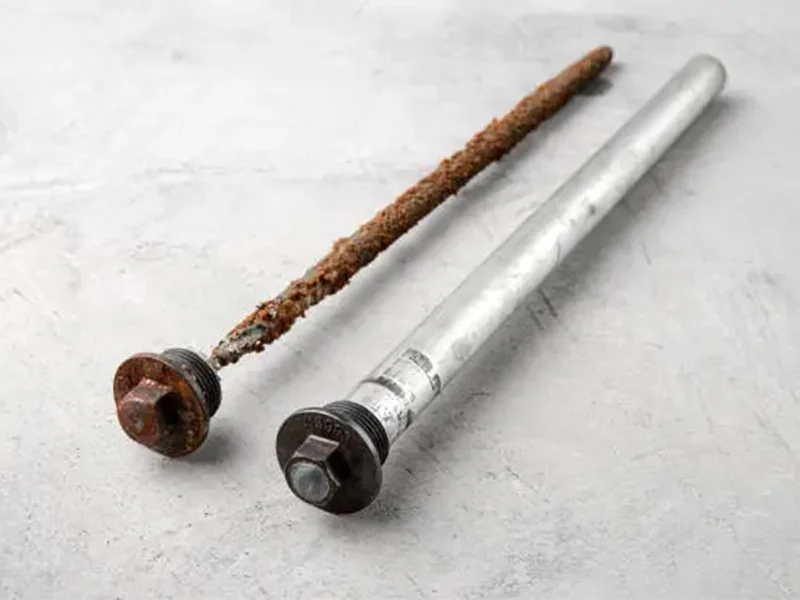
The anode rod is the sacrificial metal rod inside your tank that corrodes so the steel shell does not. On Summerville's municipal supply — moderately hard, well treated — a magnesium rod lasts three to four years. But in the 29483's older homes, tanks skew older too, and the rod question arrives alongside the tank question more often than not.
We replace anode rods across Summerville's historic district and established neighborhoods, working with the care old houses demand. Every visit includes a documented tank health check — because in a historic home, knowing whether the tank deserves a rod or a replacement is the real question.
Anode Rods in Historic Spaces: The Flowertown Challenge
Summerville's historic homes create a distinctive anode rod challenge: the tanks are often older, the spaces are always tighter, and the houses themselves demand careful work. A 1920s bungalow's water heater may sit in a closet with six inches of headroom and plaster walls on three sides. A mid-century ranch's tank may occupy a low crawl space where the hex head has been breathing damp air for a decade.
The water itself is cooperative — Summerville's municipal supply is moderately hard, good for a textbook three-to-four-year magnesium rod life. The complications are architectural and historical: seized fittings in damp old spaces, clearances that defeat rigid rods, and tanks old enough that every service is also a condition assessment.
The preservation approach
We treat 29483 rod jobs as preservation work. Segmented flexible rods for the clearances. Penetrating treatment and patience for the seized fittings — never brute force near plaster and heart pine. Full water containment, because a spill in a historic crawl space is a house problem, not just a mess. And a documented assessment, because Flowertown homeowners keep records and make decisions on evidence.
- Historic spaces: tight closets, low crawl spaces, awkward access
- Damp old installations: corrode hex heads and fittings faster
- Older tanks: every service is also a condition assessment
- Preservation ethos: the house must emerge unmarked
Documentation and Resale: The Summerville Advantage
In Summerville's active real estate market — where historic homes command premium prices — a maintained water heater with documentation is a genuine listing asset. Home inspectors flag aging tanks aggressively, and a seller who can produce rod service records and a tank health assessment neutralizes that negotiation point before it forms.
We provide written documentation with every 29483 visit: the date, the rod type installed, the condition of the old rod, and the tank's overall health assessment. For sellers, that paperwork answers the inspector's questions in advance. For buyers, it is evidence of a maintained home — exactly what Flowertown buyers are paying a premium to find.
The warranty angle for newer tanks
Not every 29483 tank is historic — the established neighborhoods hold plenty of 2000s-era units still inside their warranty periods. Warranties assume normal maintenance, and the anode rod is the item most often skipped. A documented rod service at year six or seven is what a warranty claim wants to see at year nine. Inexpensive protection for an expensive appliance, and prudent ownership in any market.
Sulfur Odor in Flowertown Tanks: Diagnosis With Candor
The sulfur smell visits Flowertown like everywhere else: hot water that reeks of rotten eggs while the cold runs clean. Sulfate-reducing bacteria colonize the warm tank and react with a depleted magnesium anode, producing hydrogen sulfide gas. In Summerville's older homes, where tanks have often gone years without service, the problem can be well established by the time anyone calls.
A fresh zinc-aluminum alloy rod plus a full tank flush resolves this for most 29483 homes within a week or two of normal use. The alloy feeds odor bacteria far less than magnesium, and the flush clears the bacterial film and sediment they shelter in — sediment that, in an older tank, may have been accumulating for many years.
Ruling out the supply
We test both taps on every odor call. Hot-side-only odor means the heater is the source and the rod is the fix. If the cold water smells too, the source is upstream and a rod will not solve it. That five-minute test prevents the most common misdiagnosis in water heater service. And in an older Summerville tank, we are candid when odor arrives with rusty water or rumbling — that combination can mean the rod has been gone so long the tank itself is compromised, and we will tell you honestly when the symptoms point past the rod.
Rod or Tank? The Honest Call for Summerville Homeowners
Every 29483 rod visit is also a tank verdict — the housing age guarantees it. Here is our honest framework for Summerville's historic district and established neighborhoods.
Replace the rod when: the tank is under ten years old, the shell is clean with no base rust, flush water runs clear, and the symptoms are odor or a known-depleted rod. In a sound mid-life tank, a fresh rod plus a flush can add three to five years — and in a historic home where tank replacement means navigating old architecture, buying those years is genuinely valuable.
Consider replacing the tank when: the unit is past twelve years with base rust, rusty flush water, rumbling sediment, or weeping fittings. A new rod cannot rebuild breached lining. And in Flowertown, planning a replacement on your schedule — with a contractor who respects the house — beats planning it at 10 p.m. when the tank lets go under a century-old floor.
Evidence, not guesses
We show you the old rod, the flush water, and the shell condition, and give you a straight recommendation with the evidence in your hands. Summerville homeowners are informed people; we treat you that way. If the tank has life left, we will prove it. If it does not, we will show you why.
Local Insight
The 29483 is Summerville's original town — the Flowertown historic district, the streets around Azalea Park, and the established neighborhoods that grew up with the railroad and the town's reputation as a health resort in the 1800s. The housing stock is the oldest in the Summerville area: early-1900s Victorians and bungalows, 1920s cottages, mid-century ranches — homes with plaster walls, heart-pine floors, and original trim that demand respect from anyone working inside them.
Water heaters in these homes occupy historic spaces: low crawl spaces beneath raised foundations, closets carved from 1920s floor plans, utility rooms appended to houses that never anticipated them. Clearances are tight, access is awkward, and the damp air of old crawl spaces corrodes hex heads and fittings faster than dry modern garages. Segmented flexible rods are not a convenience here; they are a necessity.
Summerville's identity as Flowertown adds a cultural note: this is a town that preserves. Homeowners here restore rather than replace, and they expect service providers to share that ethos. A water heater maintenance visit in a 1915 home should leave the house unmarked — drop cloths, careful water handling, respect for the structure. We work that way on every 29483 call, because in Flowertown, the house matters as much as the tank.