Mount Pleasant is the Lowcountry's flagship suburb — top-rated schools, master-planned communities, waterfront estates, and the historic Old Village, all in one ZIP code. The water heaters here are as varied as the housing: brand-new tanks in 2023 builds, decade-old units in 2010s subdivisions, and aging tanks in Old Village homes where replacement means navigating historic architecture. What unites them is ownership — Mount Pleasant homeowners maintain their homes, keep records, and expect service to match.
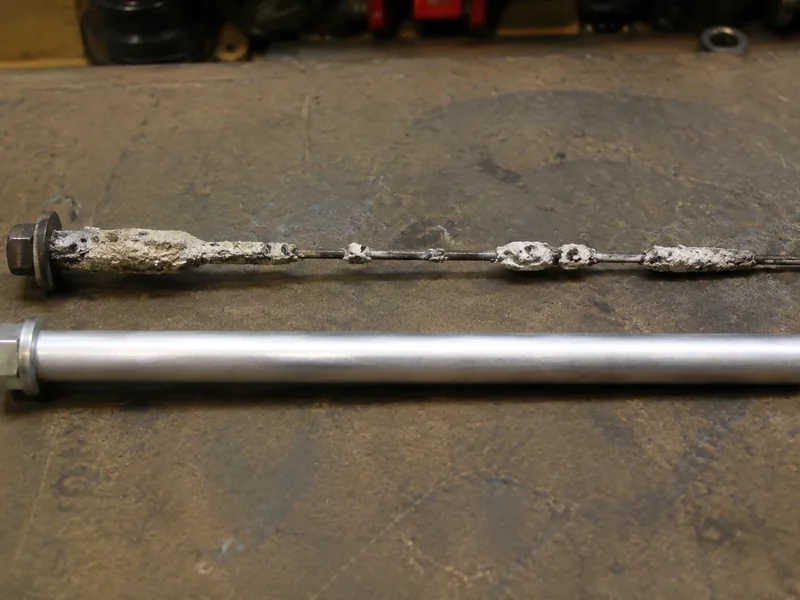
The anode rod is the sacrificial metal rod inside your tank that corrodes so the steel shell does not. On Mount Pleasant's municipal supply — moderately hard, well treated — a magnesium rod lasts three to four years. But even meticulous homeowners overlook this one, because it is invisible: no warning light, no noise, just quiet protection that expires on schedule whether anyone checks or not.
We replace anode rods across Mount Pleasant, from the Old Village to the newest developments. Every visit includes a documented tank health check — written notes for your home file, careful protection of your finishes, and an honest assessment of what your tank needs.
Two Mount Pleasants: Old Village Character, Subdivision Scale
Mount Pleasant's municipal water is kind to anode rods — moderately hard, well treated, good for a textbook three-to-four-year magnesium rod life. The local risk is not chemistry but architecture and inattention. In the Old Village, tanks sit in historic closets and low crawl spaces where the hex head corrodes in damp air and clearances defeat rigid rods. In the subdivisions, tanks sit in finished garages where nobody thinks about them for a decade.
The result is the same failure mode in two different costumes: a rod that died years ago, with corrosion working on the tank ever since. The Old Village version adds seized fittings and access puzzles; the subdivision version adds pure neglect. Both get the same solution — the right rod, installed with the right technique, on a schedule matched to the water.
Old Village specifics
Historic-district tanks deserve special mention. Low headroom demands segmented flexible rods. Damp historic crawl spaces corrode hex heads faster than dry garages. And plaster walls and heart-pine floors demand the careful workmanship that keeps a maintenance visit from becoming a house repair. We plan Old Village jobs before we start — tooling, rod type, water containment — because there is no room to improvise in a 1910 utility closet.
- Old Village: historic spaces, low clearance, damp-air fitting corrosion
- New subdivisions: young tanks, pure maintenance neglect
- Water softeners: common in 29464, shorten rod life to 2–3 years
- Finished spaces: demand protected, careful workmanship
Documentation, Warranties, and Resale: The Mount Pleasant View
In Mount Pleasant, a rod service is also a resale asset. Home inspectors in this market flag water heaters thoroughly — age, condition, signs of neglect, maintenance history. A seller with documented rod service and a tank health assessment neutralizes that entire line of negotiation. The service costs a fraction of the credit a buyer will demand for a flagged tank.
We provide written documentation with every visit: the date, the rod type installed, the condition of the old rod, and the tank's overall health assessment. Keep it with your home records. If the tank ever fails inside its warranty period, that documentation shows the maintenance the warranty assumed — and it gives any future technician an honest baseline.
The warranty angle
Many Mount Pleasant tanks are still inside their manufacturer warranty periods — six to twelve years is typical. Warranties assume normal maintenance, and the anode rod is the maintenance item most often skipped. A documented rod service at year six or seven is exactly what a warranty claim wants to see at year nine. It is inexpensive protection for an expensive appliance, and in a market where homes are significant investments, it is simply prudent ownership.
Sulfur Odor in Mount Pleasant Tanks: Verified Diagnosis
The most common 29464 service call is the sulfur smell: hot water that reeks of rotten eggs while the cold runs clean. Sulfate-reducing bacteria colonize the warm tank and react with a depleted magnesium anode, producing hydrogen sulfide gas. It happens in new subdivisions and Old Village homes alike — bacteria do not care about property values.
The fix is a zinc-aluminum alloy rod plus a full tank flush. The alloy feeds odor bacteria far less than magnesium, and the flush clears the bacterial film and sediment they shelter in. Most Mount Pleasant homeowners notice the smell fading within a week or two of normal hot water use.
Ruling out the supply
We test both taps on every odor call. Hot-side-only odor means the heater is the source and the rod is the fix. If the cold water smells too, the source is upstream and a rod will not solve it. That five-minute test prevents the most common misdiagnosis in water heater service — and in a market where owners expect precision, we verify before we recommend, every time.
White-Glove Technique for Finished Spaces and Historic Homes
Mount Pleasant installations demand the most careful workmanship in our service area — not because the plumbing is harder, but because the surroundings are finer. Finished garages with epoxy floors, designer utility closets with drywall and trim, Old Village spaces with plaster and heart pine. A maintenance visit should never mark any of it.
Segmented flexible rods handle the access side: they install with just inches of headroom in the tightest Old Village closets and under-stair compartments, protecting exactly like rigid rods once seated. The workmanship side is procedural — drop cloths, shoe covers, contained draining, and a final wipe-down. We treat the workspace like the finished space it is.
Seized fittings with finesse
Even in upscale homes, hex heads seize — Old Village dampness and years of humid garage air see to that. We break them free with penetrating treatment and controlled leverage, never brute force near finished walls. The goal is always the same: old rod out, new rod in, tank undisturbed, house unmarked. On Mount Pleasant, how the work is done is the work.
Local Insight
The 29464 is Mount Pleasant proper — east of the Cooper River, stretching from the historic Old Village through the subdivisions that made this one of South Carolina's most desirable addresses. The housing tells two stories. The Old Village and the streets around it hold early-1900s homes with heart-pine floors, tight historic utility spaces, and water heaters shoehorned into places modern installers would never choose. The newer developments hold upscale construction from the 1990s through today — finished garages, designer utility rooms, and tanks that are young but not immune to neglect.
The water is municipal and moderate — not the story here. The story is expectations and architecture. Mount Pleasant homeowners notice details: a scuffed epoxy garage floor, a dribble down a drywalled closet, a service visit that feels rushed. We work accordingly — drop cloths, shoe covers, contained water handling, and a workspace left cleaner than we found it. In the Old Village, the architecture adds a technical dimension: low clearances, plaster walls, and original trim that demand the segmented flexible rods and careful technique we bring to every historic-space job.
Documentation is the other local currency. Mount Pleasant homes change hands at premium prices, and a home file with documented water heater maintenance — rod service dates, tank condition notes — is a genuine asset at resale. Home inspectors in this market are thorough; a maintained tank with records answers their questions before they are asked.