Hard Water Is Quietly Killing Your Water Heater: What to Do About It
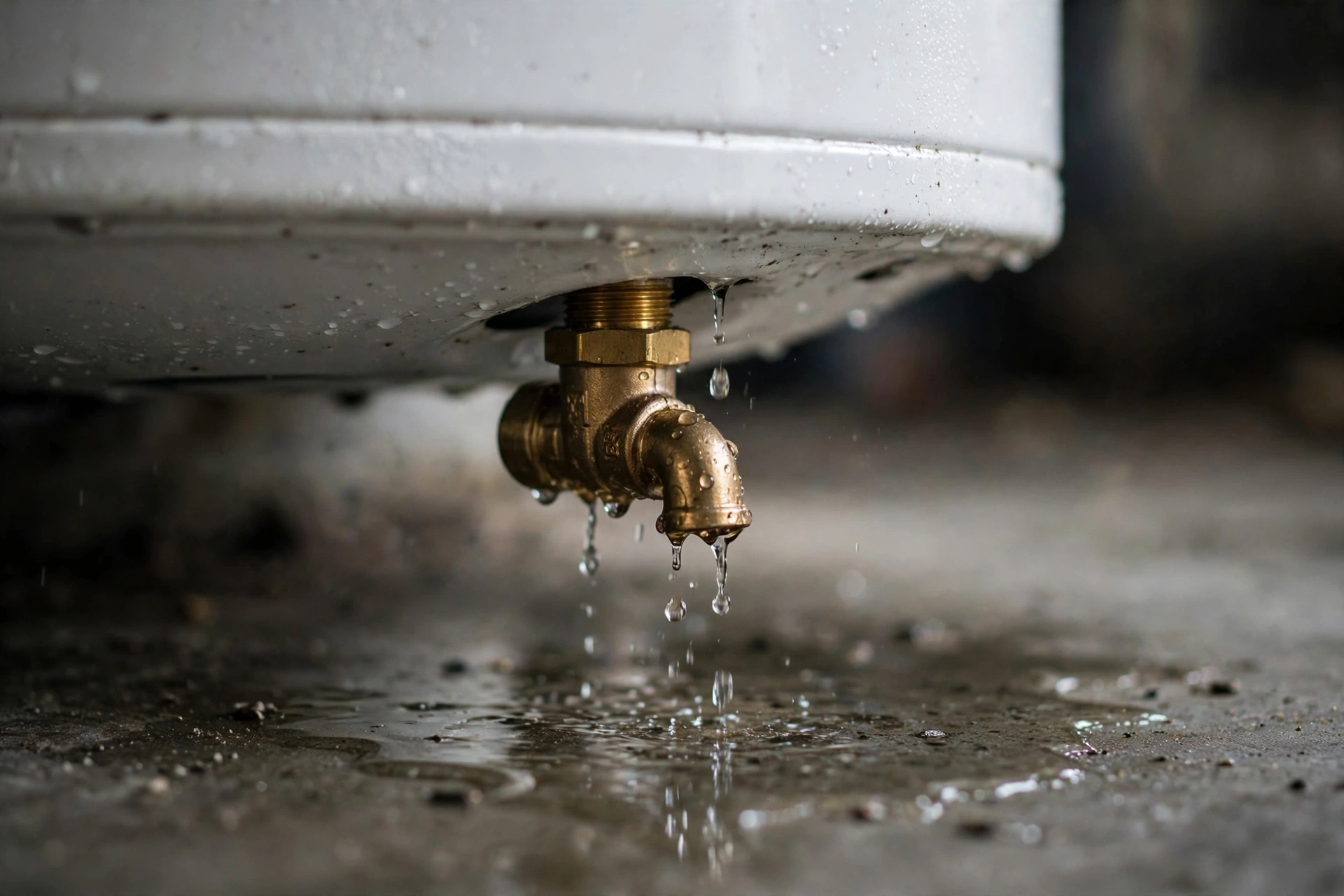
If your area has hard water — and much of the country does — your water heater is fighting a slow battle against mineral scale every single day. Hard water doesn't just leave spots on fixtures; inside a heater, it drives sediment buildup, overheats components, and can cut years off the tank's life.
How hard water damages heaters
Heating hard water precipitates calcium and magnesium out of solution. In a tank heater, it settles as sediment on the bottom — insulating the water from the burner or lower element, forcing longer heating cycles, overheating the tank bottom, and eventually causing the rumbling/popping of "kettling." In a tankless unit, scale coats the heat exchanger directly, restricting flow and creating hot spots that crack the exchanger.
Signs your water is hard on the heater
- Rumbling or popping during heating — the classic sediment symptom.
- Hot water runs out faster than it used to — sediment displaces water volume.
- White scale on fixtures and showerheads — what's on the outside is also on the inside.
- Elements failing repeatedly (electric) — sediment-buried elements overheat.
- Rising energy bills with no usage change — the heater working harder through insulation-by-sediment.
What actually helps
Annual flushing is the baseline — non-negotiable in hard-water areas. A water softener addresses the root cause for the whole house; note it can accelerate anode rod consumption, so pair softening with rod checks. Scale-inhibitor filters on the heater inlet are a lighter-touch option. For tankless units, annual descaling through the service valves is the equivalent discipline.
Testing your water
Cheap test strips give a rough grains-per-gallon reading; your municipal water report (or a lab test for well water) gives the real numbers. Above ~7 grains per gallon is firmly "hard," and above 10 is where aggressive heater maintenance pays for itself many times over. Knowing your number turns vague worry into a concrete maintenance plan.
Testing Your Water Hardness
You can test water hardness with inexpensive test strips from any hardware store, or request a water quality report from your municipal supplier. Hardness is measured in grains per gallon (GPG) or parts per million (PPM). Water above 7 GPG (120 PPM) is considered hard; above 10.5 GPG is very hard. Knowing your number helps you choose the right treatment and maintenance schedule.
Signs of hard water around your home include white scale on faucets and showerheads, spots on dishes, stiff laundry, and soap that doesn't lather well. If you see these signs, your water heater is suffering the same mineral assault internally.
Water Softener Options
Ion-exchange water softeners are the most effective solution for hard water. They replace calcium and magnesium ions with sodium or potassium, preventing scale formation throughout your plumbing. Salt-based systems are most common and effective; salt-free "conditioners" reduce scale adhesion but don't actually remove hardness minerals.
Size the softener to your household water usage and hardness level. An undersized softener will regenerate too frequently, wasting salt and water. Professional water testing and sizing ensures you get effective treatment without excess operating costs. The investment typically pays for itself through extended appliance life and reduced energy costs.
Maintenance Schedule for Hard Water Areas
In hard water areas, flush your water heater every 6 months instead of annually. Inspect the anode rod yearly rather than every 2-3 years — hard water depletes anodes faster. Consider setting your thermostat to 120°F rather than higher temperatures, as hotter water accelerates scale formation. These simple adjustments can add years to your water heater's life even without a softener.
Frequently Asked Questions
How urgent is this issue?
Any water heater problem involving leaks, unusual sounds, or inconsistent hot water warrants prompt attention. Small issues become major failures if ignored. When in doubt, have a professional assess the situation.
Can I fix this myself or should I call a professional?
Basic maintenance like flushing and visual inspections are DIY-friendly. Repairs involving gas, 240-volt electricity, or the tank itself should be left to licensed professionals for safety and code compliance.
How can I prevent this problem in the future?
Annual professional maintenance, regular DIY inspections, prompt attention to minor issues, and following manufacturer recommendations are the best prevention. Keep records of all maintenance performed.
Professional Water Treatment Assessment
If you're dealing with hard water issues, a professional water treatment assessment can identify the most cost-effective solution for your specific situation. A water treatment specialist will test your water's hardness level, iron content, pH, and other parameters, then recommend appropriately sized equipment. This assessment typically costs $100-200 but ensures you don't overspend on unnecessary equipment or undersize your system.
Many water treatment companies offer free basic testing as part of a sales consultation, but an independent assessment provides unbiased recommendations. Your local agricultural extension office or health department may also offer low-cost water testing. Armed with accurate data, you can make an informed decision about whether a softener, conditioner, or other treatment is warranted.