Gas Control Valve Problems: Symptoms, Safety, and When to Call a Pro
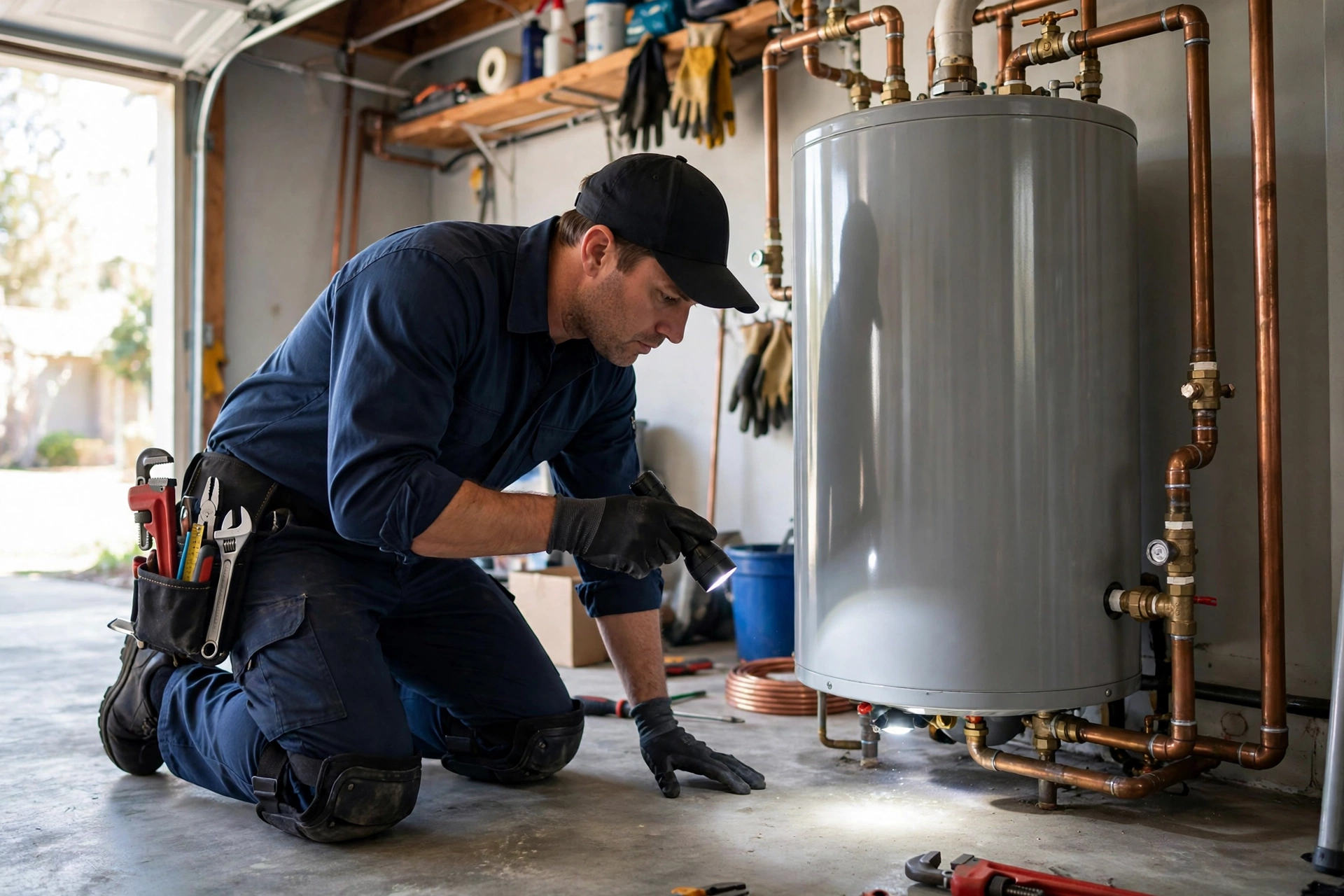
On a gas water heater, one component handles gas flow, temperature regulation, pilot operation, and multiple safety shutoffs: the gas control valve (often called the gas valve or thermostat). When it misbehaves, you get no hot water at best — and a safety hazard at worst. This guide covers what to watch for and where the DIY line is.
What the gas control valve does
It meters gas to the burner based on the thermostat setting, maintains the pilot (or manages electronic ignition), and includes safety features like the thermocouple/thermopile shutoff — if the pilot goes out, gas flow stops. Modern valves also include flammable vapor sensors and overheat cutoffs. It's doing a lot, which is why diagnosing it takes training.
Warning signs of a failing gas valve
- Pilot won't stay lit — after ruling out a bad thermocouple, the valve itself is the prime suspect.
- Burner won't ignite though the pilot is fine — the valve isn't opening the main gas path.
- Water temperature swings wildly — thermostat portion of the valve losing calibration.
- Gas smell near the valve — stop, don't touch anything electrical, leave the area, and call your gas utility or emergency services from outside. Then call us.
- Visible corrosion or damage on the valve body — especially after any water exposure from a leak above it.
Why this is not a DIY repair
Gas valve replacement involves breaking and remaking gas connections, leak-testing with proper equipment, and verifying combustion safety afterward. Improper work risks gas leaks, carbon monoxide, or fire. In most jurisdictions it's also a code issue — gas work typically requires a licensed professional and sometimes a permit and inspection.
What a professional replacement involves
Shut off gas and water, drain the tank below the valve level, disconnect gas, water, and thermocouple/pilot lines, swap the valve (matched to your heater's BTU rating and model), reconnect everything, leak-test every joint with a manometer or electronic detector, relight, and verify proper burner operation and venting. Expect 1 to 2 hours.
Cost context and the repair-vs-replace question
A gas valve is one of the pricier single-component repairs. On a heater under 8 years old in otherwise good shape, it usually makes sense. On a 10+ year unit with other wear signs (rust, rumbling, prior leaks), put that money toward a new heater instead — you're buying years, not months.
Diagnosing Gas Control Valve Issues
Before assuming the gas valve is bad, rule out simpler causes. Check that the gas supply to the house is on and other gas appliances work. Verify the pilot light procedure — many "valve failures" are actually thermocouple issues or improper lighting technique. If the pilot lights but won't stay lit, the thermocouple (a separate, inexpensive part) is the more likely culprit.
Listen for clicking when calling for heat. A healthy gas valve produces an audible click as the solenoid opens. No click with proper voltage present suggests valve failure. A multimeter can verify the valve is receiving the correct voltage from the thermostat — if voltage is present but the valve doesn't open, the valve itself has failed.
Check for error codes on units with electronic controls. Modern gas water heaters with FVIR (flammable vapor ignition resistant) systems display diagnostic codes that can pinpoint whether the issue is the valve, thermocouple, or another component.
Safety Precautions for Gas Valve Work
Gas valve replacement involves working with both gas and potentially electricity. If you smell gas at any point, stop immediately, don't operate electrical switches, leave the area, and call your gas utility from outside. Never attempt gas line work if you're not confident — improper connections can cause leaks, fires, or explosions.
After any gas valve service, always test all connections with a gas leak detection solution (soapy water works in a pinch — bubbles indicate a leak). Never use an open flame to check for gas leaks. Ensure proper ventilation in the work area throughout the job.
When Replacement Makes More Sense Than Repair
Gas control valves are rarely "repaired" — they're replaced as a unit. If your water heater is over 10 years old and needs a gas valve, compare the valve replacement cost against a new water heater. A new unit comes with a fresh warranty, better efficiency, and all-new components. In many cases, putting an expensive valve into an aging tank is throwing good money after bad.
Understanding Gas Valve Warranties and Lifespan
Gas control valves typically last 10-15 years, roughly matching the water heater's lifespan. Most are covered under the water heater's parts warranty (usually 6-12 years depending on the model). If your valve fails within the warranty period, the replacement part may be free — though labor typically isn't covered.
Keep your water heater's model and serial number accessible, as you'll need these for warranty claims. Document the failure symptoms and any diagnostic steps taken. If you're filing a warranty claim, the manufacturer may require professional diagnosis to confirm the valve (not another component) is at fault.
For out-of-warranty units, compare the valve replacement cost against the unit's age and overall condition. A $300-500 valve replacement on a 12-year-old water heater is rarely wise when a new, more efficient unit costs $1,000-1,500 installed. Your plumber can help you make this cost-benefit calculation.